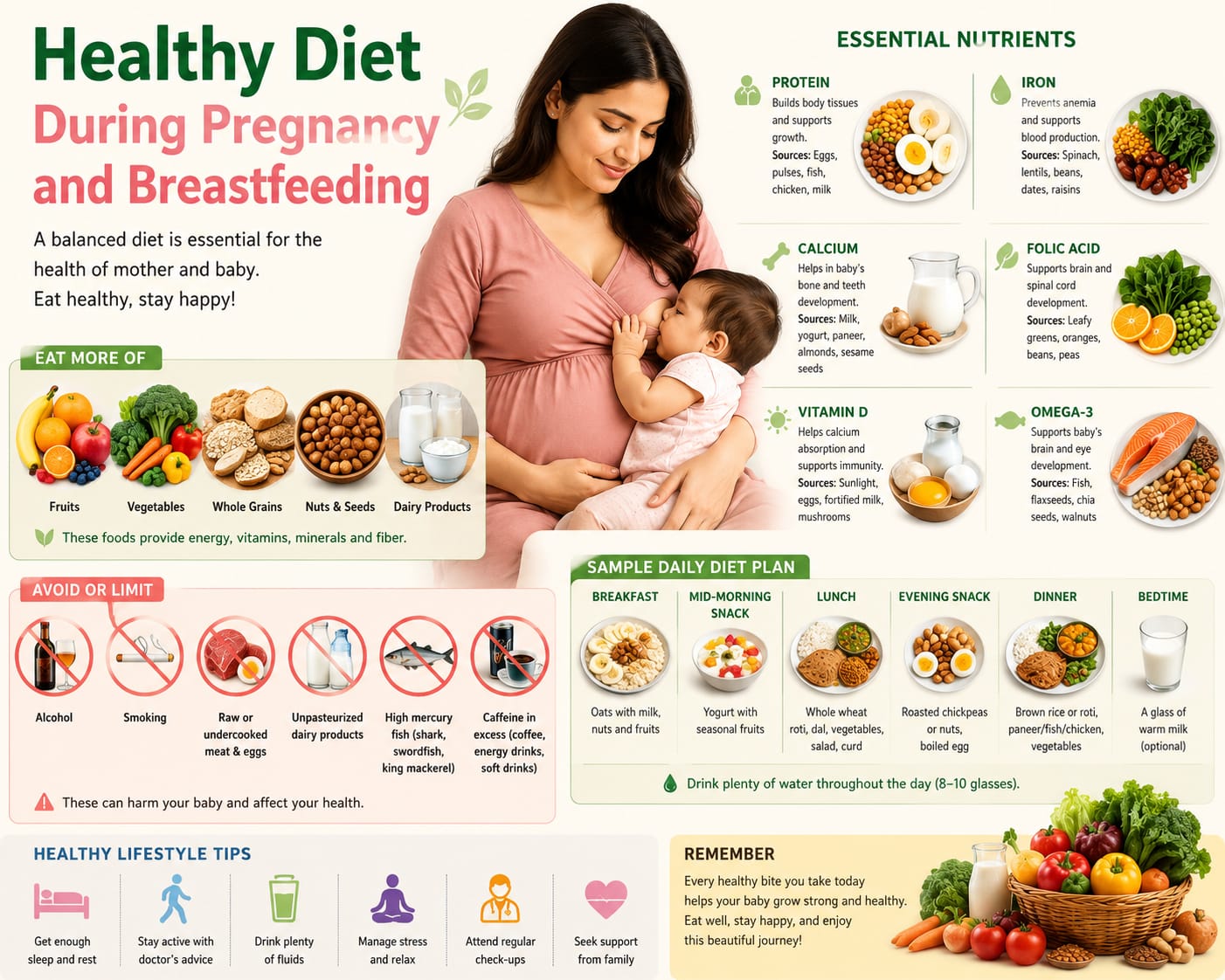
Sandeep Dhand
Nutritionist And Health Educator
Vitamins are essential nutrients required for various bodily functions, including growth, immunity, skin health, bone strength, and overall well-being.
Below is a detailed explanation of Vitamins A, B, C, D, E, and K, along with their vegetarian food sources.
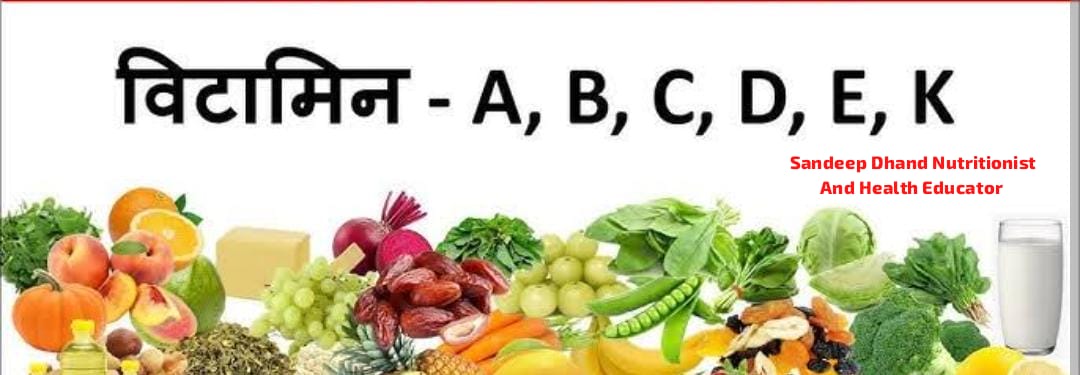
- Vitamin A

Functions:
Essential for good vision (especially night vision)
Supports healthy skin and immune system
Acts as a powerful antioxidant
Vegetarian Food Sources:
Carrots
Sweet potatoes
Spinach, Fenugreek, and Bathua leaves
Papaya
Tomatoes
Pumpkin
Milk, Yogurt, Butter
- Vitamin B (B-Complex Group)

Functions:
Helps in energy production
Supports nerve function and muscle health
Essential for hormone regulation
Necessary for red blood cell (RBC) production
Types of B-Complex Vitamins and Their Vegetarian Sources:
B1 (Thiamine): Whole grains, Lentils, Jaggery, Peanuts
B2 (Riboflavin): Milk, Yogurt, Almonds
B3 (Niacin): Mushrooms, Walnuts
B5 (Pantothenic Acid): Whole grains, Soybeans
B6 (Pyridoxine): Banana, Carrot, Walnuts
B7 (Biotin): Coconut, Almonds
B9 (Folate): Leafy Greens, Papaya
B12: Found mainly in animal-based foods; vegetarians can get it from fortified milk, fortified cereals, and coconut water
- Vitamin C
Functions:
Strengthens the immune system
Supports skin and collagen production
Helps in iron absorption
Vegetarian Food Sources:
Lemon
Orange
Amla (Indian Gooseberry)
Pomegranate
Grapes
Red and Yellow Bell Peppers
Broccoli
Green Leafy Vegetables
- Vitamin D
Functions:
Strengthens bones and teeth by enhancing calcium absorption
Boosts the immune system
Vegetarian Food Sources:
Sunlight (Main Source)
Milk
Yogurt
Mushrooms
Fortified Cereals
- Vitamin E

Functions:
Acts as a powerful antioxidant (anti-aging benefits)
Promotes healthy skin and hair
Supports heart health
Vegetarian Food Sources:
Almonds
Walnuts
Sesame Seeds
Peanuts
Sunflower and Flax Seeds
- Vitamin K

Functions:
Helps in blood clotting
Supports bone strength
Vegetarian Food Sources:
Spinach
Fenugreek Leaves
Cauliflower
Bottle Gourd
Radish Leaves
Broccoli
Conclusion
The body requires these 6 essential vitamins for optimal health. A vegetarian diet provides all these vitamins in sufficient amounts, except Vitamin B12, which is primarily found in animal-based foods. However, vegetarians can meet their B12 needs through fortified foods and dairy products.