Tv10 Punjab
Information Desk
India is facing a silent health crisis as the consumption of Ultra-Processed Foods (UPF)—commonly known as junk food—continues to skyrocket. A recent Economic Survey has raised a red flag over this trend, suggesting a complete overhaul of how products like burgers, pizzas, noodles, and sugary drinks are marketed to the public.
The survey highlights a staggering shift in dietary habits. Between 2006 and 2019, the retail sales of UPFs in India grew from $0.9 billion to nearly $38 billion, marking a 40-fold increase. This surge is directly linked to a worrying health trend: the obesity rate among Indian men and women has nearly doubled during the same period.
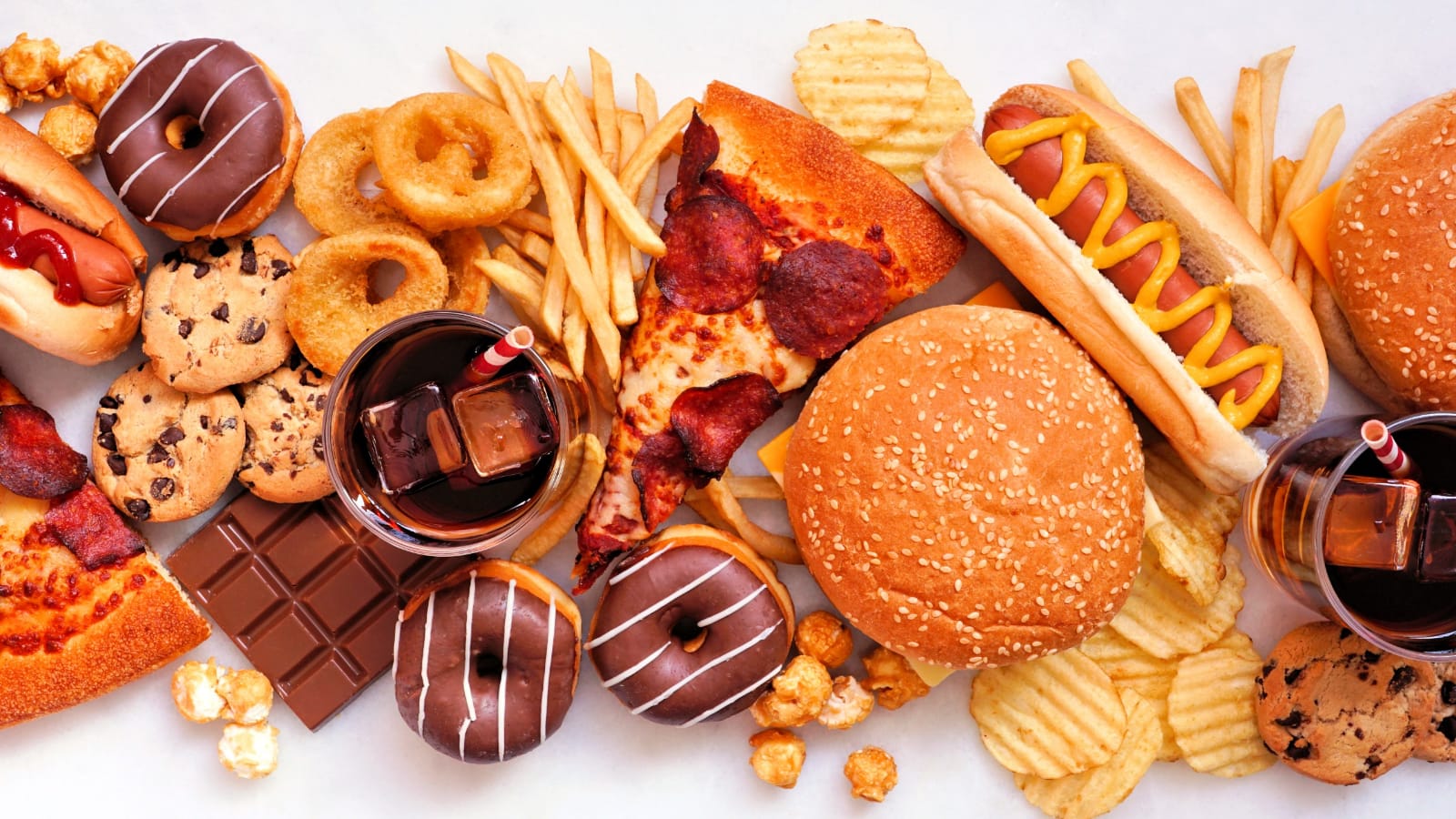
Proposed Restrictions on Marketing
To tackle this, the survey suggests a multi-pronged approach that moves beyond just educating consumers. One of the most significant proposals is a marketing ban on junk food from 6:00 AM to 11:00 PM across all media platforms. The goal is to protect the public, especially children, from constant exposure to unhealthy food triggers.
Key recommendations include:
Targeting Infant Products: Implementing strict bans on the marketing of milk and beverages intended for infants and young children.
Front-of-Pack Labeling: Introducing clear warning labels on the front of packaging for foods high in fat, sugar, and salt (HFSS).
Digital and Event Regulation: Extending advertising bans to digital media and prohibiting junk food manufacturers from sponsoring school and college events.
Closing Policy Loopholes
The survey points out a significant “policy gap” in current regulations. While existing codes prohibit misleading advertisements, they often lack specific nutritional benchmarks. This allows companies to use vague terms like “healthy,” “energy,” or “nutritious” without meeting any real scientific standards. By establishing clear nutritional limits, the government aims to prevent brands from exploiting these loopholes to target vulnerable age groups.
Global Inspiration
India is looking at international examples to shape its strategy. Countries like Chile, Norway, and the UK have already implemented similar restrictions. For instance, the UK recently banned junk food ads on TV and online before 9:00 PM to combat childhood obesity.
The Way Forward
Improving the nation’s health cannot rest solely on individual choices. The survey emphasizes that a coordinated policy is required to regulate the production of ultra-processed foods and promote a more sustainable, healthy diet. As India becomes one of the fastest-growing markets for junk food, these proposed measures represent a critical step toward preventing chronic diseases and reducing health inequalities.