Sandeep Dhand
Nutritionist And Health Educator
Health Desk
Protein is often called the “building block of life,” but in the world of modern nutrition, it has become something much more: a tool for weight management, a fuel for longevity, and a subject of intense debate.

As you noted, protein is the most satiating macronutrient. It keeps us full longer than carbohydrates or fats, helping to curb cravings and stabilize blood sugar. However, as more people shift toward plant-forward diets, a cloud of misinformation has grown. Is plant protein “incomplete”?
Do you need more of it? Can you build muscle without meat?
Let’s dive deep into the science of protein and clear the air.
- The Power of Satiety: Why Protein Fills You Up
The reason protein makes you feel “full” isn’t just because it sits in your stomach. It’s a complex hormonal process. When you consume protein, your body suppresses ghrelin (the hunger hormone) and boosts levels of peptide YY and GLP-1 (hormones that signal fullness to the brain).
Furthermore, protein has a higher Thermic Effect of Food (TEF). This means your body uses more energy to digest protein than it does for fats or carbs. You are essentially burning calories just by processing the nutrient that keeps you full.
- Myth vs. Reality: The Plant-Based Protein Debate
There is a common misconception that protein from plants is somehow “inferior” to animal protein. Let’s break down the most common myths.
Myth 1: Plant Proteins are “Incomplete”
For decades, we were told that plants lack certain essential amino acids and that we must “combine” specific foods (like rice and beans) in every meal to get a complete protein.
The Reality: While it’s true that some plants are lower in specific amino acids (like lysine or methionine), your body maintains a “pool” of amino acids. As long as you eat a variety of plant foods throughout the day, your body will assemble the complete proteins it needs. You don’t need to overthink the timing.
Myth 2: You Can’t Build Muscle on Plant Protein
Many believe that whey protein or beef is the only way to achieve hypertrophy (muscle growth).
The Reality: Studies have shown that when total protein intake is sufficient, the source matters much less than the amount. Soy protein, pea protein, and brown rice protein contain the branched-chain amino acids (BCAAs)—specifically Leucine—required to trigger muscle protein synthesis.
Myth 3: Plant Protein is Harder to Digest
This myth is partially rooted in truth but often exaggerated.
The Reality: Some plant proteins are encased in fiber or phytates, which can slightly reduce bioavailability. However, cooking, soaking, and fermenting (like in tofu or tempeh) significantly increases digestibility. For the average person, this difference is negligible.
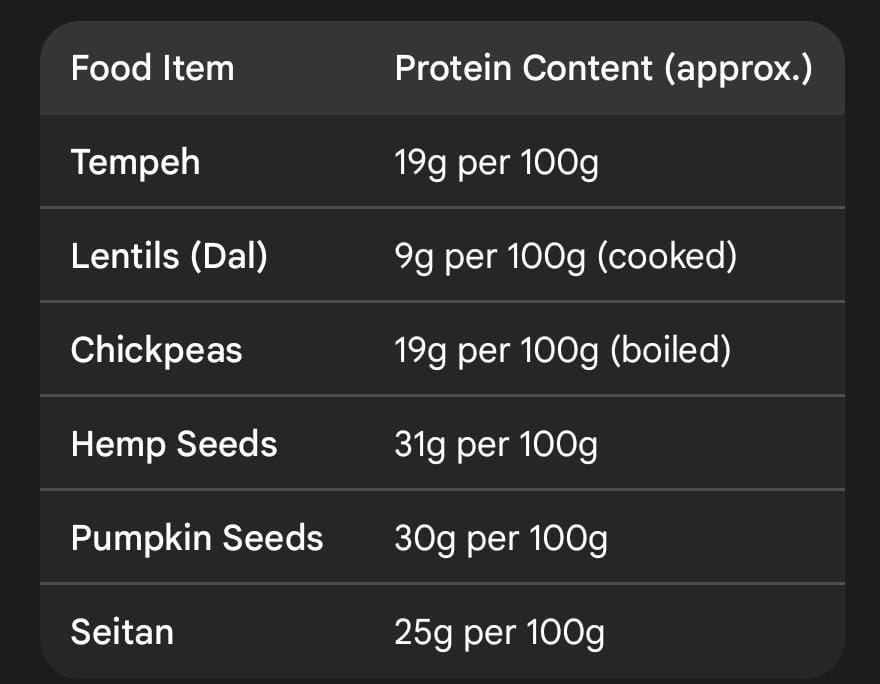
- Top Plant-Based Protein Sources
If you are looking to increase your protein intake without relying solely on animal products, these are the heavy hitters:
- The Benefits of Choosing Plant Proteins
While meat is a dense source of protein, plant sources come with “bonuses” that animal products lack:
Fiber: Essential for gut health and further increasing satiety.
Phytochemicals: Antioxidants that fight inflammation.
Zero Cholesterol: Plant proteins are naturally heart-healthy.
Environmental Impact: Producing plant protein requires significantly less water and land than livestock.
- How Much Protein Do You Actually Need?
The “Standard” Recommendation (RDA) is often cited as 0.8 grams per kilogram of body weight. However, most modern nutritionists agree that this is the minimum to prevent deficiency, not the optimum for health.
For Sedentary Adults: 1.0g to 1.2g per kg.
For Active Individuals/Athletes: 1.6g to 2.2g per kg.
For Seniors: Higher protein (1.2g+) is required to prevent muscle wasting (sarcopenia).
- Practical Tips for Meeting Your Goals
If you find it difficult to eat enough protein, especially from plants, try these strategies:
Start Early: Include protein in breakfast (moong dal chilla, tofu scramble, or Greek yogurt).
Protein-First Eating: Eat the protein portion of your meal first. This ensures you hit your macro goals before you get too full from side dishes.
The Power of Peas: Pea protein powders are an excellent, hypoallergenic way to supplement your intake if you are on the go.
Conclusion : Protein is more than just a “gym supplement”—it is the anchor of a healthy metabolism and a satisfied appetite. Whether you choose to get your protein from a steak or a bowl of lentils, the key is consistency and variety. Don’t let the myths about plant-based proteins deter you; plants are fully capable of fueling a strong, healthy human body.