Health Desk ( Tv10 Punjab )
Sandeep Dhand
Nutritionist And Health Educator
Introduction : Delusional Disorder is a mental health condition in which a person strongly believes in ideas that are not true, even when there is clear evidence against them. These beliefs are called delusions. What makes this disorder different from other severe mental illnesses is that the person can appear quite normal in daily life. They may work, talk, eat, and socialize normally, but their thinking around one specific belief is disturbed.
In simple words, a delusion is a false belief that feels completely real to the person experiencing it. Because the belief feels real, the person does not accept correction easily. This can slowly affect relationships, emotional health, and quality of life.
This article explains Delusional Disorder in very easy English, covering causes, symptoms, types, diagnosis, treatment, and the role of food and lifestyle in mental well-being.
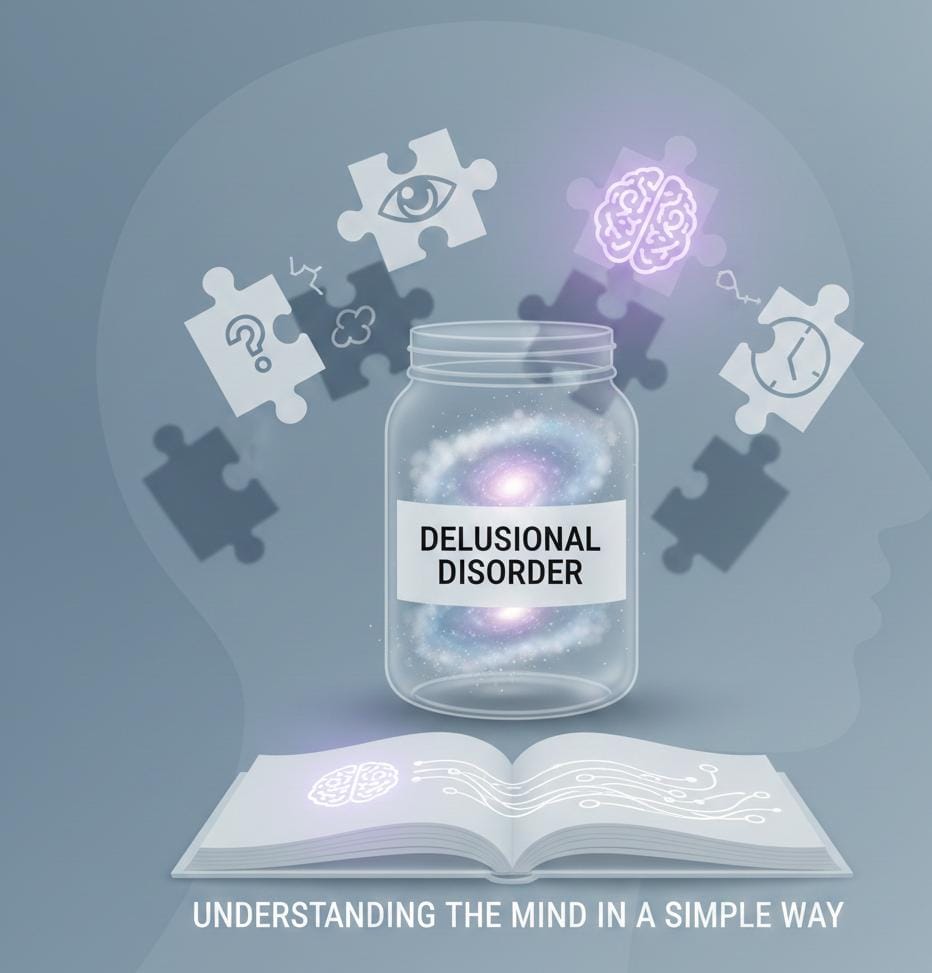
What Is Delusional Disorder?
Delusional Disorder is a psychotic disorder where a person has one or more long-lasting delusions. These delusions usually continue for at least one month or longer.
The important thing to understand is that:
The person is not confused all the time
Memory and intelligence are mostly normal
Daily activities may continue normally
The main problem lies in thinking and belief, not in appearance or speech.
What Is a Delusion?
A delusion is a belief that:
Is not true
Has no strong evidence
Is not shared by others in the same culture
Cannot be changed by logic or explanation
For example:
Believing someone is spying on you without proof
Thinking you have a serious disease despite normal medical reports
Believing you are extremely powerful or special
To the person, these beliefs feel 100% real.
Types of Delusional Disorder
- Persecutory Type
The person believes that someone is trying to harm, cheat, follow, poison, or spy on them.
Common thoughts include:
“People are planning against me”
“My neighbors are watching me”
This is the most common type.
- Grandiose Type
The person believes they are very special, powerful, famous, or talented.
Examples:
Believing you have a special mission from God
Thinking you are a great inventor or leader without proof
- Jealous Type
The person strongly believes that their partner is unfaithful, even without evidence.
This can lead to:
Constant suspicion
Arguments
Emotional distress in relationships
- Erotomanic Type
The belief that another person, often someone famous or powerful, is in love with them.
Even rejection does not change the belief.
- Somatic Type
The person believes something is seriously wrong with their body.
Examples:
Believing the body smells bad
Thinking insects are living inside the body
Believing organs are damaged without medical proof
Causes of Delusional Disorder
There is no single cause. It usually develops due to a combination of factors.
- Brain Chemistry
Imbalance of brain chemicals like dopamine may affect thinking and perception.
- Genetics
People with a family history of mental illness may have a higher risk.
- Psychological Stress
Long-term stress
Emotional trauma
Loneliness
Relationship problems
- Personality Factors
People who are suspicious, sensitive, or socially isolated may be more vulnerable. - Substance Use
Alcohol or drug misuse can worsen symptoms or trigger delusions.
Symptoms of Delusional Disorder
Common symptoms include:
Strong false beliefs
Difficulty trusting others
Irritability or anger
Anxiety and fear
Social withdrawal
Unlike schizophrenia, hallucinations are usually mild or absent.
How Is Delusional Disorder Diagnosed?
Diagnosis is done by a psychiatrist or mental health professional.
Steps include:
Detailed mental health interview
Medical history
Ruling out physical illness
Ruling out drug or alcohol effects
There is no blood test for delusions. Diagnosis is based on behavior and thinking patterns.
Treatment of Delusional Disorder
- Medication
Doctors may prescribe:
Antipsychotic medicines
Anti-anxiety medicines
Antidepressants (if depression is present)
Medication helps reduce intensity of delusions.
- Psychotherapy
Talking therapy helps the person:
Understand thoughts
Reduce stress
Improve coping skills
Cognitive Behavioral Therapy (CBT) is commonly used.
- Family Support
Family education is very important.
Avoid arguing about delusions
Stay calm and supportive
Encourage treatment
Role of Food in Mental Health
Food cannot cure Delusional Disorder, but good nutrition supports brain health and improves mood, energy, and treatment response.
A healthy diet helps:
Balance brain chemicals
Reduce inflammation
Improve sleep
Manage stress
Best Foods for Delusional Disorder
- Omega-3 Rich Foods
These support brain function.
Fish (salmon, sardines)
Walnuts
Flaxseeds
Chia seeds
- Whole Grains
Help maintain stable blood sugar and mood.
Brown rice
Oats
Whole wheat roti
- Fruits and Vegetables
Provide antioxidants and vitamins.
Leafy greens
Berries
Oranges
Apples
- Protein Sources
Protein supports neurotransmitter production.
Pulses and lentils
Eggs
Milk and curd
Lean meat or fish
- Nuts and Seeds
Rich in magnesium and healthy fats.
Almonds
Pumpkin seeds
Sunflower seeds
Foods to Limit or Avoid
Excess sugar
Junk food
Processed foods
Alcohol
Excess caffeine
These can increase anxiety and disturb sleep.
Simple Daily Diet Plan Example
Morning:
Warm water
Fruit or soaked almonds
Breakfast:
Oats with milk and fruit
Or vegetable omelette with toast
Lunch:
Roti or rice
Dal or grilled chicken
Vegetables
Curd
Evening:
Herbal tea
Roasted chana or nuts
Dinner:
Light meal
Vegetable soup
Roti with sabzi
Lifestyle Tips for Better Mental Health
Regular sleep routine
Light exercise like walking or yoga
Avoid isolation
Practice relaxation techniques
Follow doctor’s advice strictly
Living With Delusional Disorder
With proper treatment, many people live normal and productive lives. Early diagnosis and continuous support improve outcomes.
Delusional Disorder is not a weakness. It is a medical condition that needs understanding, patience, and care.
Conclusion : Delusional Disorder affects how a person sees reality, but it does not define who they are. With the right medical care, therapy, healthy food, and family support, recovery and stability are possible.
Mental health deserves the same care as physical health. Seeking help is a sign of strength, not failure.