WORLD DESK (International News)
Sandeep Dhand Ludhiana
Journalist And Research Analysist
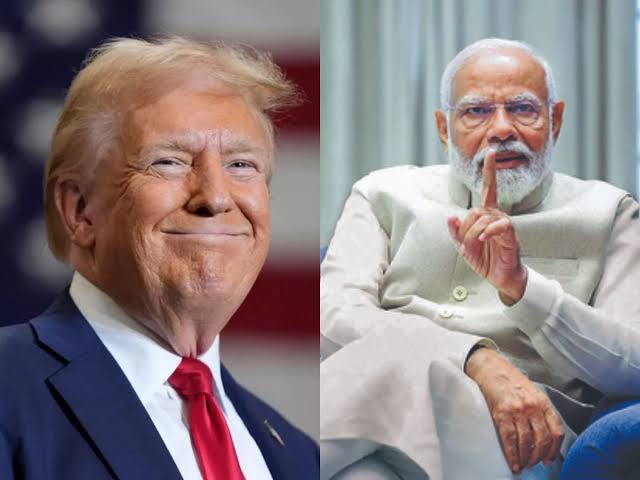
The geopolitical situation in the Middle East has entered a highly volatile phase as the Islamic Republic of Iran officially rejected a comprehensive 15-point peace plan proposed by U.S. President Donald Trump. The rejection has dashed hopes for an immediate ceasefire, with Tehran countering the American proposal with five stringent conditions of its own, including a demand for financial compensation for war damages.
The Core of the U.S. Proposal
The plan presented by the Trump administration aimed to fundamentally alter Iran’s strategic and military standing in the region. According to reports, the United States sought a “permanent solution” to what it views as Iranian aggression. The primary mandates of the 15-point plan included:
Nuclear Disarmament: A definitive and permanent pledge from Tehran that it will never seek to develop or acquire nuclear weapons.
Missile Limitations: Strict caps on the range, strike capacity, and the total number of ballistic missiles in Iran’s arsenal.
Dismantling Proxies: A total cessation of funding and military support for regional allies, specifically naming Hezbollah in Lebanon, Hamas in Gaza, and the Houthi rebels in Yemen.
Maritime Access: Relinquishing control over the Strait of Hormuz to ensure it remains a “free international maritime passage” for global trade.
Tehran’s Defiant Counter-Demands
Tehran viewed the American proposal as an infringement on its national sovereignty. In a sharp rebuttal, Iranian leadership issued five specific counter-proposals that must be met before any truce is considered:
War Indemnity: Iran has demanded full financial reparations (compensation) for the structural and economic losses incurred during the conflict.
Sovereignty over the Strait: Contrary to the U.S. demand, Iran insists it must remain the sole authority and “in-charge” of the Strait of Hormuz.
End of Israeli Strikes: An immediate halt to Israeli military operations targeting Iranian assets and allies within the region.
Non-Aggression Pact: A formal guarantee that no future war will be “imposed” on the Islamic Republic.
Escalation in the Gulf: Drones and Missiles
As diplomacy remains at a deadlock, the conflict has rapidly spilled over into neighboring Gulf nations. Reports indicate a surge in hostile activities across Kuwait, Bahrain, and the United Arab Emirates (UAE).
The Kuwaiti military has officially announced that its air defense systems are currently intercepting “incoming enemy missile and drone attacks.” The General Staff of the Kuwaiti Armed Forces clarified that the loud explosions heard by residents are the result of their defense systems successfully neutralizing hostile targets in the air.
Global Implications
Experts warn that the rejection of this peace plan could lead to a protracted regional war. With both sides refusing to budge on the status of the Strait of Hormuz—a vital artery for global oil—the international community is bracing for significant economic shifts. For now, the “Trump Plan” appears to be a non-starter, leaving the Middle East on the brink of an even larger escalation.