Health Desk
Sandeep Dhand
Nutritionist And Health Educator
Introduction
Nutrition and metabolism are two closely connected concepts that play a vital role in human health. Every function of the body—breathing, thinking, moving, growing, and repairing—depends on the nutrients we eat and how our body converts them into energy. Proper nutrition supports an efficient metabolism, while poor dietary habits can slow metabolic processes and lead to various health problems.
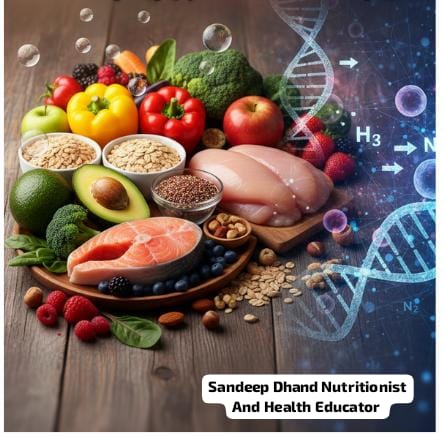
In simple words, nutrition is about what we eat, and metabolism is about what our body does with that food. Understanding this relationship helps people make better food choices, maintain a healthy weight, prevent diseases, and improve overall well-being.
This article explains nutrition and metabolism in simple and easy language. It covers nutrients, metabolic processes, factors affecting metabolism, common metabolic disorders, and a detailed, practical diet plan suitable for Indian households.
What Is Nutrition?
Nutrition is the science of food and how the body uses it for growth, energy, repair, and maintenance. It involves the intake of nutrients, digestion, absorption, utilization, and excretion.
Good nutrition means eating the right amount of nutrients from healthy foods to meet the body’s needs. Poor nutrition can result in deficiencies, weak immunity, slow growth, fatigue, and chronic diseases.
Types of Nutrition
- Adequate Nutrition – Balanced intake of all nutrients
- Under-Nutrition – Deficiency of calories or nutrients
- Over-Nutrition – Excess intake leading to obesity
- Malnutrition – Imbalance of nutrients (deficiency or excess)
What Is Metabolism?
Metabolism refers to all the chemical reactions that occur in the body to maintain life. These reactions help convert food into energy, build and repair tissues, and regulate body processes.
Metabolism works continuously, even when the body is at rest. The speed at which metabolism works is called the metabolic rate.
Two Main Parts of Metabolism
- Catabolism – Breakdown of food into energy
- Anabolism – Building and repairing body tissues
Both processes are essential and occur together to keep the body balanced.
Relationship Between Nutrition and Metabolism
Nutrition provides the raw materials, while metabolism is the engine that uses them. Without proper nutrition, metabolism cannot function efficiently. Similarly, a weak metabolism cannot properly use nutrients.
For example:
Carbohydrates provide glucose, which metabolism converts into energy
Proteins supply amino acids for tissue repair
Fats provide stored energy and support hormone production
Macronutrients and Their Role in Metabolism
- Carbohydrates
Carbohydrates are the body’s main source of energy. They are broken down into glucose, which fuels the brain and muscles.
Sources:
Rice, wheat, maize
Fruits
Potatoes
Pulses
Role in Metabolism:
Provide quick energy
Prevent protein breakdown
Support brain function
Healthy Choice: Whole grains over refined carbs
- Proteins
Proteins are essential for growth, repair, and maintenance of tissues.
Sources:
Pulses, lentils
Milk, curd
Eggs
Fish, chicken
Soybeans
Role in Metabolism:
Build enzymes and hormones
Support muscle metabolism
Increase metabolic rate slightly due to high thermic effect
- Fats
Fats are concentrated sources of energy and help absorb fat-soluble vitamins.
Sources:
Ghee, butter (in moderation)
Nuts and seeds
Oils (mustard, groundnut, olive)
Role in Metabolism:
Provide long-term energy
Support hormone production
Protect organs
Micronutrients and Metabolism
Micronutrients do not provide energy but are essential for metabolic reactions.
Vitamins
Vitamin B-complex: Helps in energy metabolism
Vitamin D: Supports calcium metabolism
Vitamin C: Aids iron absorption
Minerals
Iron: Oxygen transport and energy production
Iodine: Thyroid metabolism
Magnesium: Enzyme activation
Zinc: Protein metabolism
Water and Metabolism
Water is often ignored but is essential for metabolism. Almost all metabolic reactions occur in a watery environment.
Functions:
Transports nutrients
Removes waste
Regulates body temperature
Low water intake can slow metabolism and cause fatigue.
Basal Metabolic Rate (BMR)
BMR is the amount of energy the body needs at rest to maintain vital functions like breathing and heartbeat.
Factors Affecting BMR
Age (decreases with age)
Gender (higher in males)
Body composition
Genetics
Hormonal status
Factors Affecting Metabolism
- Age
Metabolism slows with age due to muscle loss.
- Physical Activity
Exercise increases metabolic rate.
- Body Composition
More muscle = higher metabolism.
- Hormones
Thyroid hormones play a key role.
- Diet Pattern
Skipping meals or crash dieting slows metabolism.
Common Metabolic Disorders
- Obesity
Caused by energy imbalance and slow metabolism.
- Diabetes Mellitus
Impaired glucose metabolism.
- Hypothyroidism
Low thyroid hormone leading to slow metabolism.
- Metabolic Syndrome
Combination of obesity, diabetes, hypertension, and lipid disorders.
Nutrition to Improve Metabolism
Healthy Habits
Eat regular meals
Avoid excessive junk food
Include protein in every meal
Stay hydrated
Sleep well
Diet Plan for Healthy Nutrition & Metabolism
Early Morning (6–7 AM)
1 glass warm water
5 soaked almonds
1 soaked walnut
Breakfast (8–9 AM)
Vegetable oats / vegetable poha
1 boiled egg or 1 glass milk
1 fruit (apple or papaya)
Mid-Morning (11–12 PM)
Coconut water or lemon water
Roasted chana or fruit bowl
Lunch (1–2 PM)
2 chapati or 1 bowl rice
Dal or curd
Seasonal vegetable
Salad
Evening Snack (4–5 PM)
Green tea or buttermilk
Sprouts chaat or roasted makhana
Dinner (7–8 PM)
2 chapati
Vegetable curry
Paneer/tofu or light dal
Bedtime (Optional)
Haldi milk or warm water
Foods That Boost Metabolism
Green leafy vegetables
Whole grains
Citrus fruits
Nuts and seeds
Spices like turmeric and ginger
Foods That Slow Metabolism
Sugary drinks
Excess fried food
Refined flour
Alcohol
Role of Exercise in Metabolism
Walking
Strength training
Yoga
Stretching
Exercise improves insulin sensitivity and metabolic efficiency.
Nutrition & Metabolism in Different Life Stages
Children
Need energy for growth.
Adults
Need balance for maintenance.
Elderly
Need nutrient-dense foods.
Myths About Metabolism
Skipping meals increases metabolism (False)
Only thin people have fast metabolism (False)
Supplements can replace food (False)
Conclusion
Nutrition and metabolism are the foundation of health. A balanced diet, regular physical activity, proper hydration, and healthy lifestyle habits help maintain a strong metabolism. Instead of following extreme diets, focus on long-term nutritional balance.
Understanding nutrition and metabolism empowers individuals to take control of their health and prevent lifestyle-related diseases. Healthy food, when combined with an active lifestyle, is the best medicine for a healthy metabolism and a healthy life.