Punjab Desk
21 March
Sandeep Dhand Ludhiana
Journalist And Research Analysist
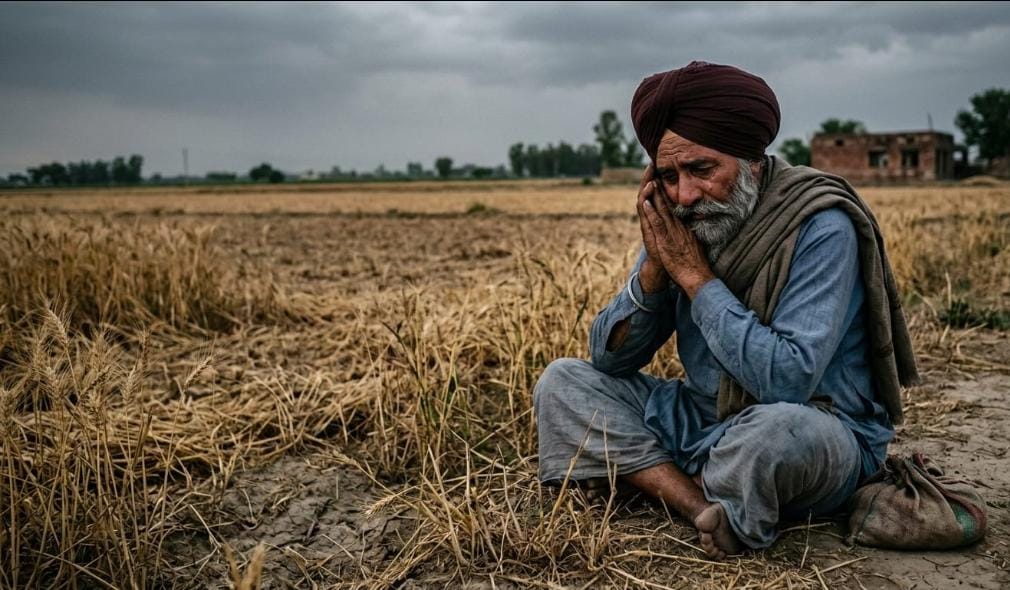
In a significant move to recover long-standing dues, Agricultural Development Banks in Punjab have officially released an auction schedule for the land of 113 major defaulting farmers across the state. This crackdown specifically targets individuals who own more than 20 acres of land but have failed to clear their bank liabilities.

The recovery process has taken an assertive turn this year. Unlike previous years where local pressure often stalled such actions, the banks plan to display posters of the defaulters in village common areas during the Vaisakhi festival. Interestingly, various farmer unions have reportedly decided not to support these wealthy landlords, effectively clearing the path for the Punjab government and banking authorities to proceed with the legal recovery process.
Recovery Efforts and Immediate Impact
The pressure of public disclosure and legal action is already showing results. For instance, the Banga branch of the Agricultural Development Bank had scheduled an auction for a farmer’s land on March 24th. Fearing social stigma, the farmer has already deposited 2.90 lakh rupees and promised to clear the remaining balance before the auction date.
Other branches have also tightened their grip:
Sultanpur Lodhi: Auctions for the land of three big farmers are scheduled for Vaisakhi.
Faridkot: Land auctions for eight major defaulters are set to take place between April 7th and April 16th.
Chohla Sahib: Four large-scale farmers will face auctions on April 21st
Bank officials have confirmed that after issuing formal notices, public announcements (Munadi) will be made through village gurdwaras to ensure transparency and put further social pressure on the defaulters. Currently, 89 Agricultural Development Banks across the state are actively involved in this recovery drive.
The Massive Financial Burden
The scale of the financial crisis facing these banks is immense. Data shows that there are approximately 46,200 defaulting farmers in total, with an outstanding debt amounting to 2,650 crore rupees. On average, this translates to a debt of about 5.72 lakh rupees per defaulting farmer.
The banks themselves are in a precarious financial position. They are currently under a Supreme Court mandate to pay 500 crore rupees in arrears to former employees. Due to this severe liquidity crunch, these institutions have been forced to stop issuing new loans to farmers, creating a cycle of financial stagnation in the rural economy.
Government and Social Dynamics
The state government’s decision to focus on “big farmers” (those with substantial landholdings) appears to be a strategic move to recover large sums without affecting small and marginal farmers who are often more vulnerable. By distancing themselves from these wealthy defaulters, the farmer unions have signaled that the “pro-farmer” umbrella does not necessarily cover those who have the means to pay but choose not to.
As the auction dates approach, the focus remains on whether this aggressive recovery strategy will successfully stabilize the Agricultural Development Banks and allow them to resume their role in supporting Punjab’s agricultural sector.