Health Desk
Sandeep Dhand Nutritionist And Health Educator
Cancer is a word that carries a lot of weight, often bringing a sense of fear or uncertainty. However, understanding how it starts, recognizing its signals, and knowing how our lifestyle choices—especially our diet—impact it can empower us to take better care of our health.
How Cancer Begins: The Biological “Glitch”
Cancer isn’t a single disease; it’s a collection of related diseases. It starts at the microscopic level within our cells.
The Blueprint: Every cell in your body has a set of instructions called DNA. This DNA tells the cell when to grow, when to divide to make new cells, and when to die.
The Mutation: Sometimes, due to genetics, environment, or lifestyle, the DNA gets damaged (a mutation).

Uncontrolled Growth: Normally, the body fixes these errors or tells the damaged cell to self-destruct. In cancer, that “kill switch” fails. The damaged cell keeps dividing and multiplying, eventually forming a mass called a tumor.
Invasion: Malignant (cancerous) tumors can spread into nearby tissues or travel through the bloodstream to other parts of the body—a process known as metastasis.
Common Warning Signs (Symptoms)
Early detection is one of the most powerful tools we have.
While these symptoms can be caused by many non-cancerous issues, you should consult a doctor if you notice:
Unexplained Weight Loss: Losing 5kg or more without trying.
Fatigue: Extreme tiredness that doesn’t get better with rest.
Lumps or Thickening: Any new lump in the breast, testicles, or under the skin.
Changes in Skin: New moles, sores that won’t heal, or yellowing of the eyes/skin (jaundice).
Persistent Pain: A cough that won’t go away, or ongoing back/abdominal pain.
Bowel/Bladder Changes: Long-term constipation, diarrhea, or blood in the urine.
The Connection Between Diet and Cancer
Research suggests that a significant portion of cancer cases are linked to dietary habits. Here is what to watch out for:
Ultra-Processed Foods: Foods high in artificial preservatives, refined sugars, and hydrogenated fats can trigger chronic inflammation, a known driver of cancer.
Processed Meats: Items like sausages, bacon, and deli meats are classified by the WHO as Group 1 carcinogens because of the chemicals used in curing.
Excessive Sugar: While sugar doesn’t “feed” cancer directly in a simple way, a high-sugar diet leads to obesity, which is a major risk factor for several types of cancer.
Alcohol: Frequent alcohol consumption increases the risk of cancers of the mouth, throat, liver, and breast.
The “Anti-Cancer” Diet Plan
A healthy diet isn’t just about avoiding “bad” foods; it’s about flooding your body with protective nutrients. This plan focuses on alkalizing the body and reducing inflammation.
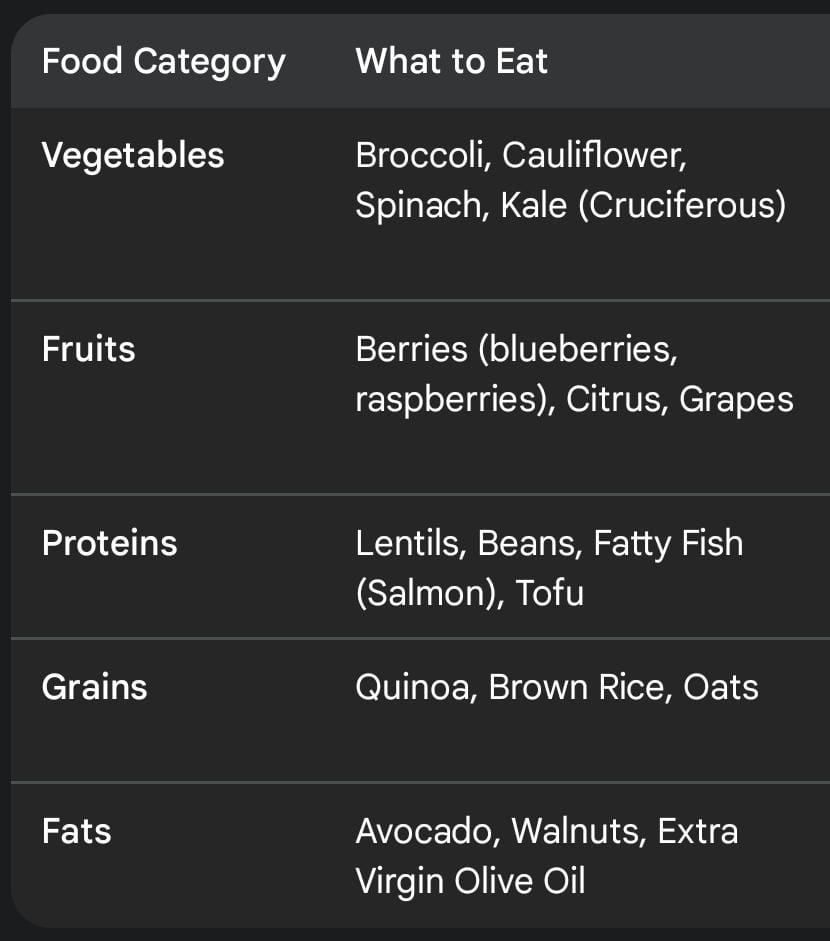
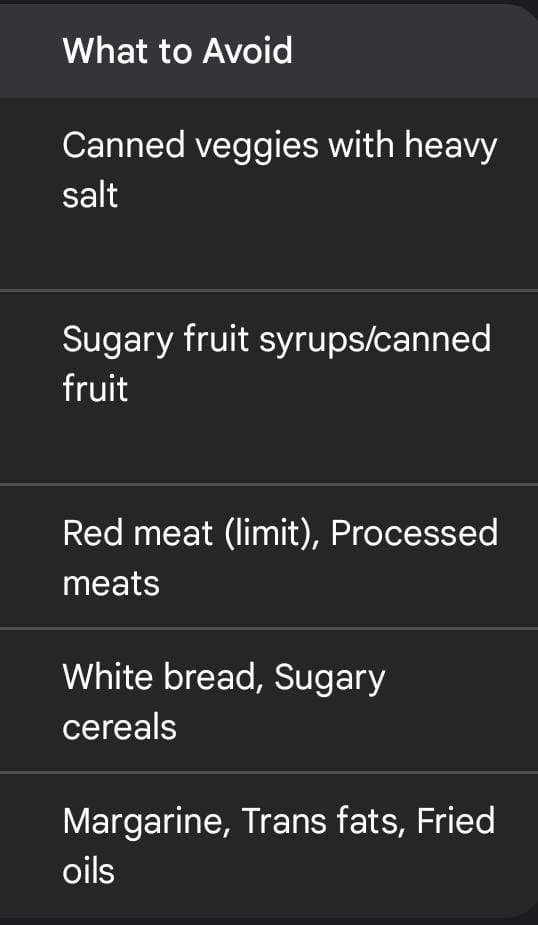
A Sample Daily Menu:
Breakfast: Steel-cut oats topped with blueberries, flaxseeds, and a drizzle of honey.
Lunch: A large green salad with chickpeas, cucumbers, tomatoes, and a lemon-olive oil dressing.
Snack: A handful of raw almonds or a piece of whole fruit (like an apple).
Dinner: Baked salmon or Tofu stir-fry with plenty of broccoli, garlic, and ginger served over brown rice.
Drink: Green tea (rich in antioxidants) and plenty of water.
Final Thoughts : While we cannot control our genetics, we have immense power over our environment. Eating “clean,” staying active, and listening to your body’s signals are the best ways to lower your risk.