Health Desk
Sandeep Dhand
Nutritionist And Health Educator
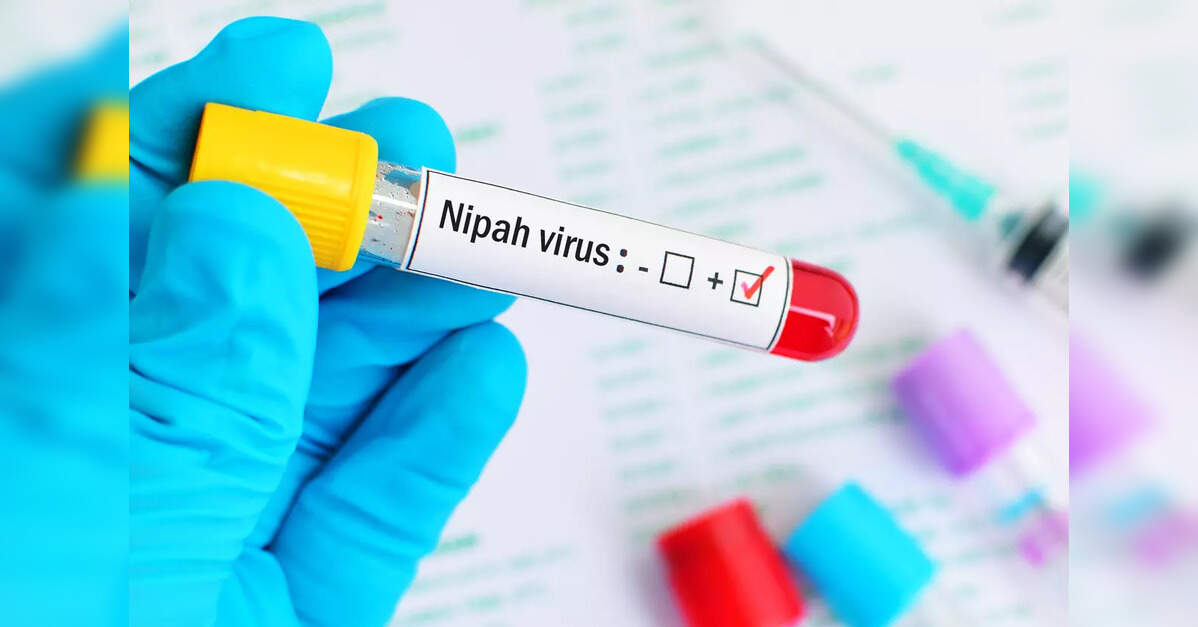
Recent reports from West Bengal have triggered a fresh wave of concern across India as new cases of the Nipah Virus (NiV) emerge. While the World Health Organization (WHO) currently maintains that the risk of a large-scale outbreak remains low, the Indian health department isn’t taking any chances. Authorities have moved into high alert, emphasizing that while there is no need for panic, there is an urgent need for extreme caution.
What is the Nipah Virus?
Nipah is a zoonotic virus, meaning it spreads from animals to humans. The primary carriers of this virus are fruit bats (Pteropodidae family). Humans can become infected through direct contact with infected bats, infected pigs, or by consuming food—such as raw date palm sap—that has been contaminated with the saliva or urine of infected bats. Perhaps most concerning is that the virus can also spread through close contact with an infected person, making hospital settings and family caregiving high-risk environments.
Recognizing the Symptoms
One of the reasons Nipah is so dangerous is the severity of its symptoms. According to medical professionals, the incubation period can vary, but once symptoms appear, they often include:
High fever and persistent headaches.
Vomiting and muscle pain.
Respiratory issues, such as difficulty breathing.
In severe cases, Encephalitis (swelling of the brain), which can lead to confusion, seizures, and coma.
The fatality rate for Nipah virus is alarmingly high, estimated between 40% and 75%. Currently, there is no specific vaccine or “cure” for the virus; treatment is limited to supportive care and managing symptoms as they arise.
Government Response and Surveillance
In response to the cases in West Bengal, the Ministry of Health and various state governments have intensified their monitoring efforts. The current strategy focuses on three main pillars:
Contact Tracing: Identifying and isolating every individual who has come into contact with infected patients.
Increased Testing: Setting up specialized labs and health checkpoints in affected regions to catch new cases early.
Hospital Protocols: Implementing strict infection control measures in hospitals to prevent “nosocomial” (hospital-acquired) transmission.
How to Protect Yourself
Public health experts advise the following preventive measures to stay safe:
Avoid Raw Sap: Do not consume raw date palm juice or sap, as it is a common nesting ground for fruit bats.
Wash Fruits Thoroughly: Ensure all fruits are washed well and peeled before eating. Discard any fruit that shows signs of bird or bat bites.
Maintain Hygiene: Regular handwashing with soap and water is essential, especially after visiting sick relatives or handling animals.
Stay Away from Sick Animals: Avoid contact with pigs or bats in areas where the virus has been reported.
The Bottom Line
While the situation is being closely monitored, the key to managing Nipah is awareness. If you or someone you know develops a sudden high fever accompanied by respiratory distress or mental confusion, seek medical attention immediately. Early detection not only saves the patient’s life but also prevents the virus from spreading further