Health Desk
Sandeep Dhand
Nutritionist And Health Educator
World Kidney Day is celebrated every year in the month of March. The main goal of this day is to raise awareness about kidney health and to educate people about preventing kidney diseases. Around the world, millions of people suffer from kidney problems, but many of them do not know about their condition until it becomes serious. World Kidney Day reminds us that protecting our kidneys is essential for living a healthy and long life.
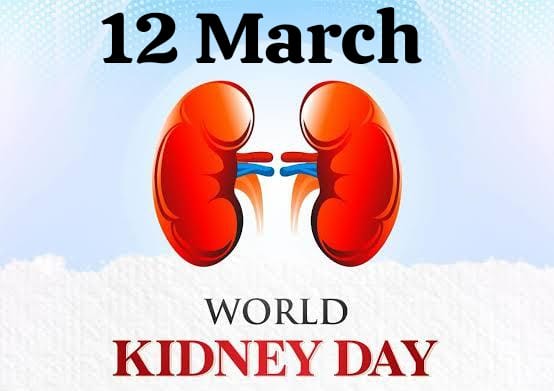
Kidneys are small but very important organs in the human body. Every person normally has two kidneys located on each side of the spine just below the rib cage. Although they are small in size, they perform many important functions that help keep the body healthy. Kidneys filter waste and extra fluid from the blood and remove them from the body through urine. They also help balance minerals, control blood pressure, and support the production of red blood cells.
Because kidneys work silently, people often ignore their health until a problem appears. Kidney diseases usually develop slowly, and early symptoms are often mild or unnoticed. This is why awareness about kidney health is extremely important. World Kidney Day encourages people to understand how kidneys work, what causes kidney disease, and how it can be prevented.
What Do Kidneys Do?
The kidneys perform several important tasks in the body. Their main function is to filter the blood and remove waste products. Every day, kidneys filter around 150–180 liters of blood and produce about 1–2 liters of urine. Through this process, harmful substances are removed from the body.
Another important function of the kidneys is maintaining the balance of fluids and minerals in the body. Minerals such as sodium, potassium, and calcium must stay at proper levels for the body to function correctly. Kidneys regulate these levels and ensure the body stays balanced.
Kidneys also play a role in controlling blood pressure. They release hormones that help regulate blood pressure levels. If the kidneys do not work properly, blood pressure can increase, which can further damage the kidneys.
In addition, kidneys help produce a hormone called erythropoietin, which signals the body to make red blood cells. These cells carry oxygen throughout the body. When kidney function decreases, people may develop anemia because the body produces fewer red blood cells.
Common Causes of Kidney Disease
Kidney disease can happen for many reasons. Some causes are related to lifestyle, while others are linked to medical conditions.
One of the most common causes of kidney disease is diabetes. High blood sugar levels over time can damage the tiny blood vessels in the kidneys. When these vessels are damaged, the kidneys cannot filter blood properly.
High blood pressure is another major cause of kidney problems. Constantly high pressure can damage kidney tissues and reduce their ability to work effectively.
Other causes include infections, genetic conditions, kidney stones, and long-term use of certain medicines. Some painkillers, if taken regularly without medical supervision, may harm kidney function.
Unhealthy lifestyle habits also increase the risk of kidney disease. Eating too much salt, drinking less water, smoking, excessive alcohol consumption, and lack of physical activity can all contribute to kidney damage.
Symptoms of Kidney Disease
Kidney disease often develops slowly, and symptoms may not appear in the early stages. Many people live with kidney problems for years without realizing it. However, as the disease progresses, certain symptoms may appear.
Some common symptoms include:
Feeling tired or weak
Swelling in the legs, ankles, or face
Changes in urine color or amount
Frequent urination, especially at night
Loss of appetite
Nausea or vomiting
Difficulty concentrating
Shortness of breath
These symptoms can also occur in other health conditions, which is why medical testing is important. Blood tests and urine tests can help detect kidney problems early.
Why Early Detection Matters
Early detection of kidney disease is very important. If the disease is identified in its early stages, it can often be managed effectively with proper treatment and lifestyle changes.
Doctors usually check kidney health through blood tests such as creatinine levels and estimated glomerular filtration rate (eGFR). Urine tests can also show whether protein is leaking into the urine, which is a sign of kidney damage.
Regular health check-ups are especially important for people who have diabetes, high blood pressure, obesity, or a family history of kidney disease. These individuals have a higher risk and should monitor their kidney health regularly.
How to Keep Kidneys Healthy
Taking care of the kidneys is not difficult. Simple lifestyle changes can greatly reduce the risk of kidney disease.
One of the most important steps is maintaining a balanced and healthy diet. Eating fresh fruits, vegetables, whole grains, and healthy proteins can support kidney health.
Reducing salt intake is also important because excess salt can increase blood pressure and damage kidneys.
Drinking enough water helps the kidneys remove waste from the body. Proper hydration supports normal kidney function.
Regular physical activity is also beneficial. Exercise helps maintain a healthy weight, improves blood circulation, and reduces the risk of diabetes and high blood pressure.
Avoiding smoking and limiting alcohol intake are also important steps. Smoking damages blood vessels and reduces blood flow to the kidneys.
Another important habit is avoiding unnecessary use of medicines, especially painkillers. Some medications can harm the kidneys when taken frequently or in high doses without medical advice.
The Role of Nutrition in Kidney Health
Nutrition plays a major role in maintaining kidney health. A balanced diet can prevent many conditions that lead to kidney disease.
Foods rich in antioxidants, vitamins, and minerals support overall body function. Fruits such as apples, berries, and oranges provide essential nutrients that help protect body cells.
Vegetables like spinach, carrots, and broccoli are also beneficial because they contain fiber and vitamins that support health.
Reducing processed foods is important because these foods often contain high amounts of salt and unhealthy fats. Instead, fresh and home-cooked meals are better choices.
For people who already have kidney disease, doctors or dietitians may recommend special diets that limit certain nutrients such as sodium, potassium, or protein. These dietary changes help reduce the burden on the kidneys.
Global Efforts to Raise Awareness
World Kidney Day is supported by many health organizations, doctors, and medical institutions around the world. Hospitals, clinics, and community health groups organize awareness programs, free health check-ups, and educational events.
The purpose of these activities is to educate people about kidney health and encourage early testing. Many campaigns also focus on lifestyle changes that can prevent kidney disease.
Schools, workplaces, and communities also participate in awareness programs to spread information about kidney care. Social media platforms are often used to share messages, tips, and educational materials.
The Importance of Public Awareness
Despite medical progress, kidney disease remains a serious global health problem. Many people still lack basic knowledge about kidney health and risk factors.
Raising awareness helps people recognize early symptoms and seek medical help in time. It also encourages individuals to adopt healthier habits that protect their kidneys.
Public awareness campaigns like World Kidney Day play a vital role in reducing the global burden of kidney disease. When people understand the importance of kidney health, they are more likely to take preventive actions.
Conclusion
World Kidney Day serves as an important reminder that kidney health should never be ignored. Kidneys perform essential functions that keep the body balanced and healthy. However, kidney diseases are often silent and may develop without noticeable symptoms.
By learning about kidney health and taking simple preventive steps, people can greatly reduce their risk of kidney disease. Healthy eating, regular exercise, drinking enough water, avoiding smoking, and regular health check-ups all contribute to better kidney health.
World Kidney Day encourages individuals, families, and communities to work together to promote kidney care.
When people become more aware and take responsibility for their health, it becomes possible to prevent many kidney-related problems and improve overall well-being.
Taking care of our kidneys today means protecting our health for the future. Healthy kidneys help ensure a healthier life for everyone.