Health Desk
Sandeep Dhand
Nutritionist And Health Educator
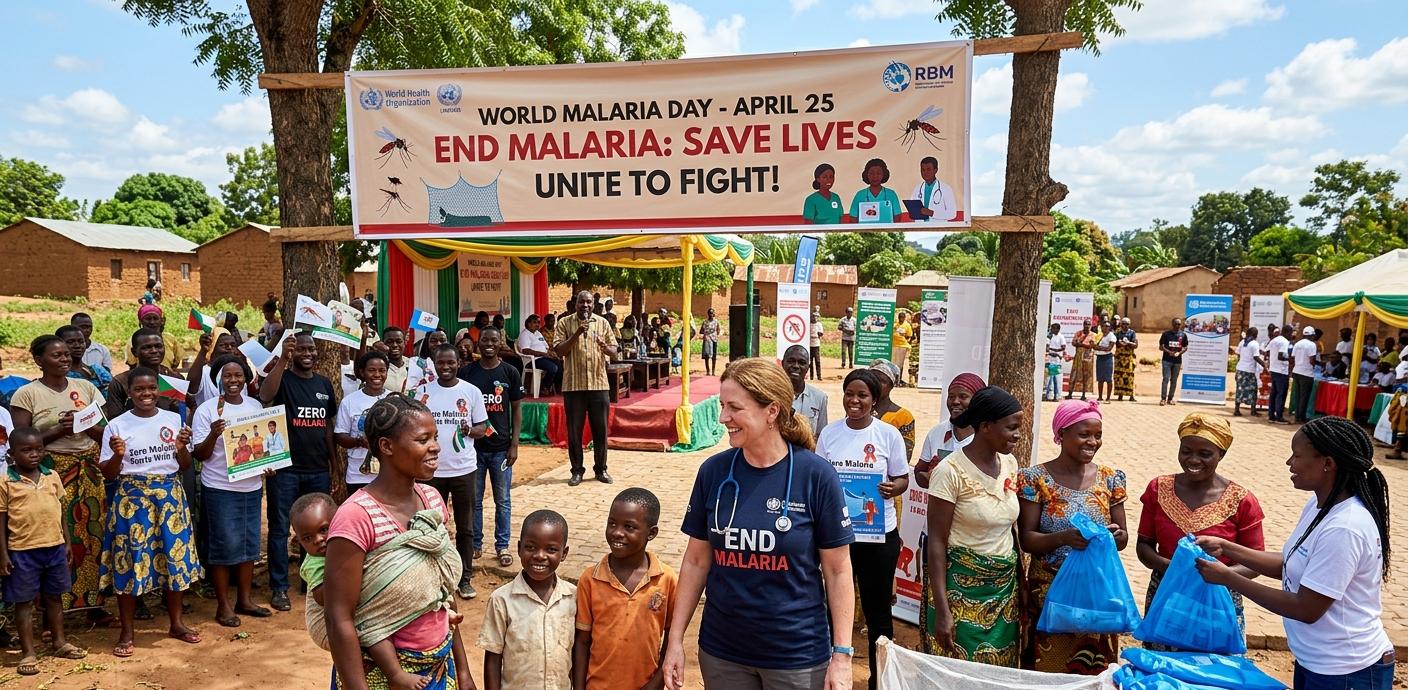
World Malaria Day is observed every year on April 25. It is a global event that spreads awareness about malaria, a serious and sometimes deadly disease caused by parasites. These parasites are transmitted to humans through the bite of infected female Anopheles mosquitoes. The day reminds us that malaria is still a major health problem in many parts of the world, especially in tropical and developing countries.
The idea of World Malaria Day was started by the World Health Organization (WHO) to highlight the need for continuous investment and action in malaria prevention and control. Each year, a special theme is chosen to guide global efforts. Governments, health workers, NGOs, and communities come together to organize campaigns, awareness programs, and health camps.
Malaria mainly affects poor and rural populations where access to proper healthcare is limited. Children under five years of age and pregnant women are the most vulnerable. The common symptoms of malaria include fever, chills, headache, sweating, nausea, and body pain. If not treated on time, malaria can lead to serious complications and even death.
The good news is that malaria is preventable and treatable. Simple steps can make a big difference. Using mosquito nets while sleeping, applying mosquito repellents, wearing full-sleeve clothes, and keeping surroundings clean can help reduce mosquito breeding. Stagnant water should not be allowed to collect around homes, as it becomes a breeding ground for mosquitoes.
Early diagnosis and proper treatment are very important. If someone has symptoms of malaria, they should visit a nearby health center immediately. Medicines are available to cure malaria if taken on time. Governments also run programs to provide free testing and treatment in many areas.
India has made significant progress in reducing malaria cases over the years. With strong government efforts and public awareness, the country is moving towards the goal of eliminating malaria. However, there is still a need for continued awareness and community participation.
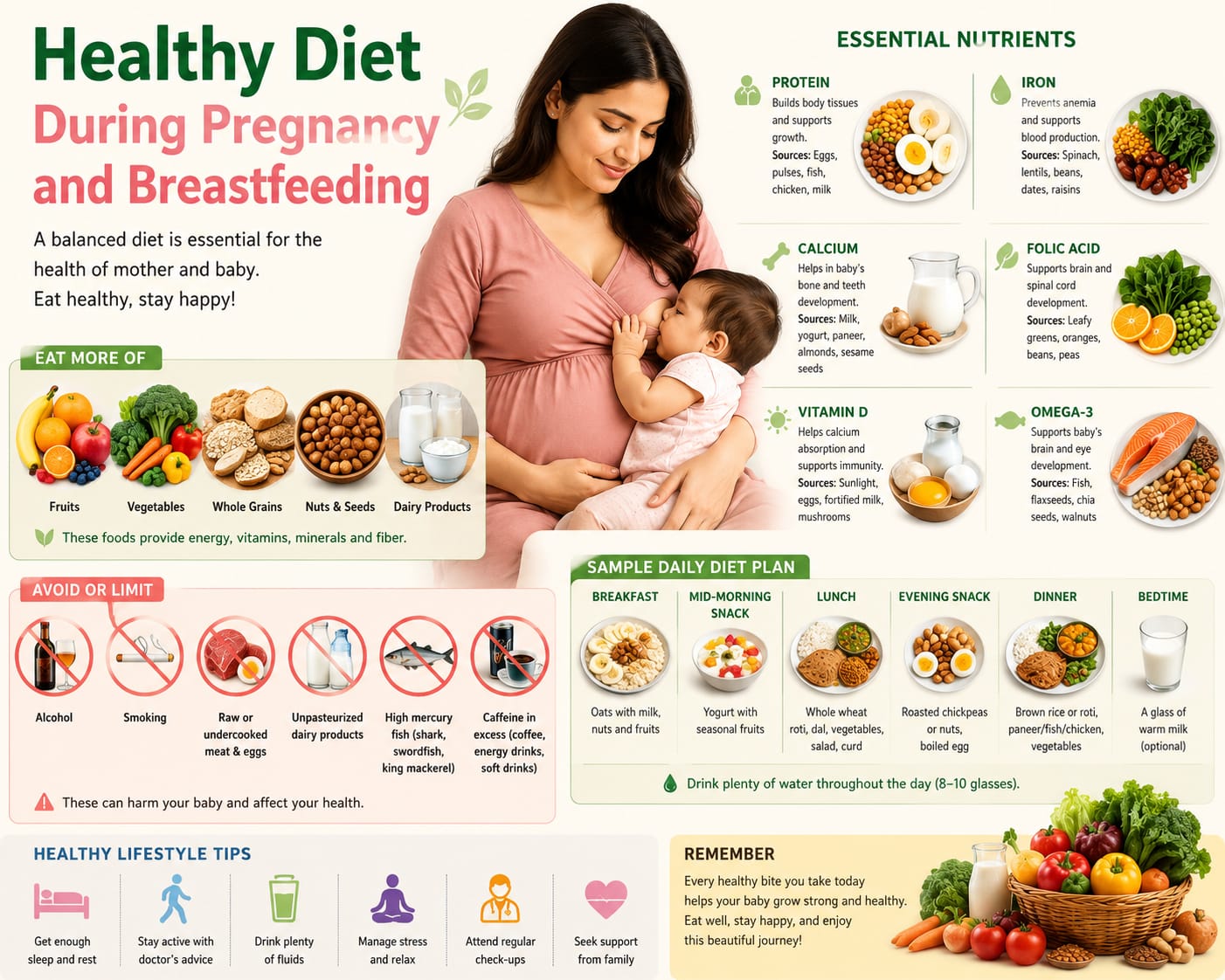
As a nutritionist and health educator, it is also important to understand that good nutrition supports the body in fighting infections. A balanced diet rich in fruits, vegetables, fluids, and essential nutrients helps improve immunity. During malaria, proper hydration and light, easily digestible food are recommended.
World Malaria Day is not just about awareness; it is a call to action. Everyone has a role to play in preventing this disease. By taking small steps in our daily lives and spreading awareness, we can help create a healthier and malaria-free world.
In conclusion, malaria is a preventable disease, and together we can defeat it. Let us use this World Malaria Day as an opportunity to learn, act, and protect our families and communities from malaria.