Economic/Trade/ National/ International Desk
Tv10 Punjab
4 February
Journalist Sandeep Dhand Ludhiana
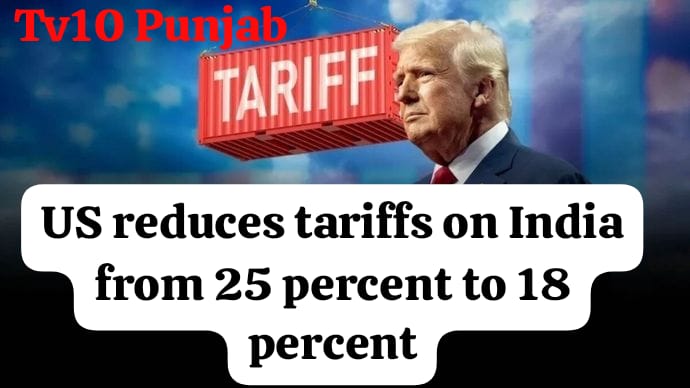
In a significant move for international commerce, a new understanding has been reached regarding trade relations and economic cooperation. Central to this development is a substantial adjustment in import taxes, specifically a reduction in reciprocal tariffs from 25% down to 18%. This shift is designed to ease the flow of goods and strengthen the industrial ties between two major global economies, providing a much-needed boost to manufacturing and export sectors.
Strengthening Economic Ties
The core of this agreement focuses on “Made in India” products, which will now face lower barriers when entering the American market. This reduction is viewed as a strategic step toward stabilizing global supply chains and fostering a more balanced trade environment. By lowering these costs, both nations aim to encourage local businesses to expand their reach, ultimately benefiting consumers through more competitive pricing and a wider variety of available products.
Energy and Geopolitical Strategy
Beyond simple trade numbers, the dialogue has expanded into the critical sector of energy security. A primary highlight of the recent discussions involves a strategic pivot in oil procurement. To support global stability and address ongoing international conflicts, there is a burgeoning agreement to move away from traditional energy sources in favor of increased imports from alternative suppliers, such as Venezuela.
This transition serves two purposes:
Diversification: It reduces over-reliance on a single region or conflict-prone source for essential fuel.
Conflict Resolution: By shifting energy demands, the move is intended to exert indirect pressure to help bring an end to the ongoing war in Ukraine, which has caused significant loss of life and economic disruption globally.
A Vision for Global Stability
The leadership involved has emphasized that these economic decisions are not merely about profit margins but are deeply rooted in a shared vision for world peace and prosperity. The collaboration is described as a partnership between “best friends” who respect each other’s national sovereignty and strength. This mutual respect has paved the way for quick agreements on complex issues that have historically taken years to resolve.
The focus on peace, stability, and prosperity remains the guiding light for these negotiations. Both sides have expressed a firm commitment to standing together in their efforts to resolve international disputes through diplomatic and economic channels. As these new tariff rates take effect, the global market will be watching closely to see how this newfound cooperation impacts everything from the price of consumer electronics to the stability of the global energy market.