Health Desk
Sandeep Dhand Nutritionist And Health Educator
Hantavirus is a significant respiratory and renal disease caused by viruses primarily carried by rodents. While not as common as the flu, its severity and potential for life-threatening complications make it a critical public health concern. Understanding how it spreads, identifying symptoms early, and knowing how to secure your environment are the most effective ways to stay safe.
- What is Hantavirus?
Hantaviruses are a family of viruses spread mainly by rodents. Depending on the strain and the region, the virus can cause two major clinical syndromes:
Hantavirus Pulmonary Syndrome (HPS): Primarily found in the Americas, attacking the lungs.
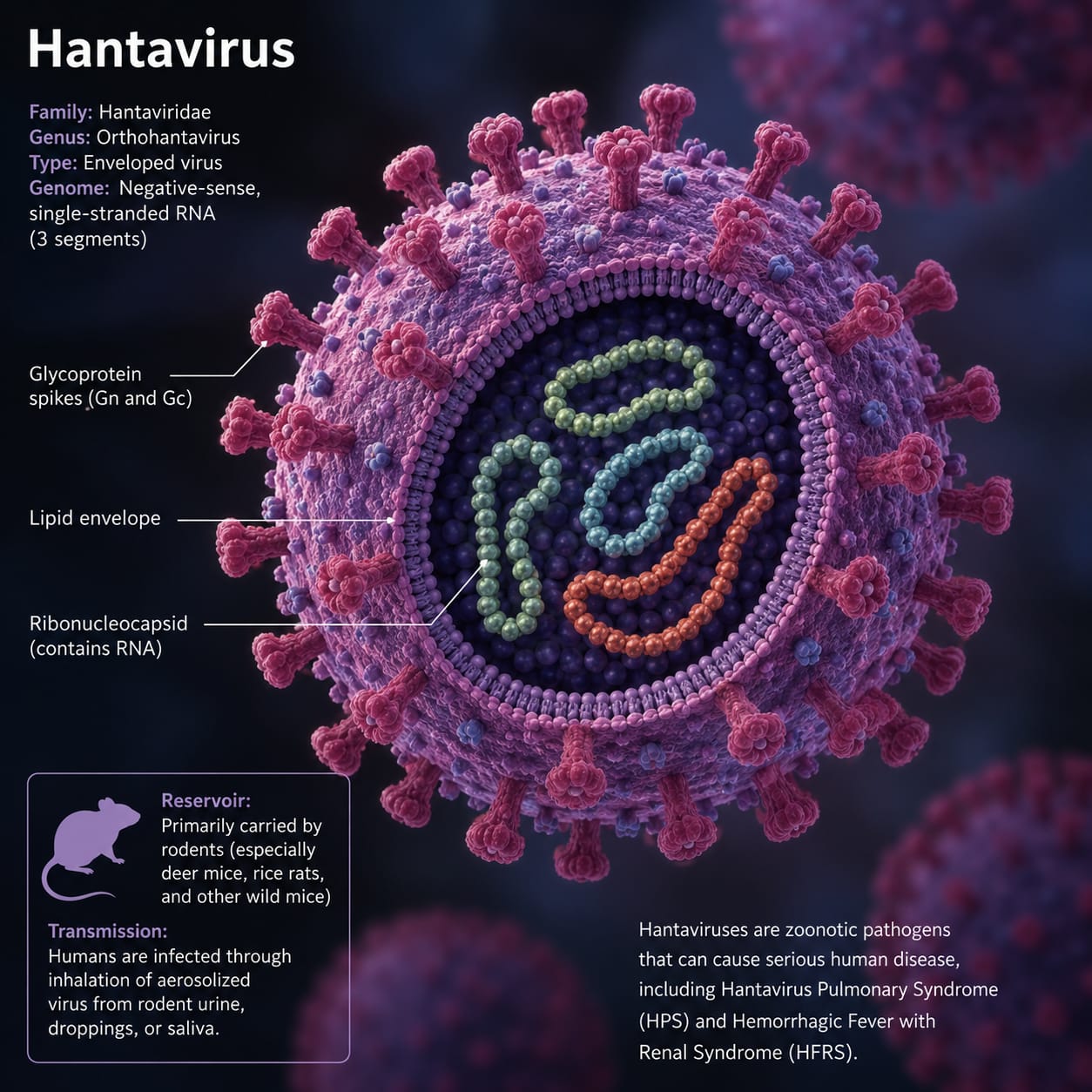
Hemorrhagic Fever with Renal Syndrome (HFRS): More common in Europe and Asia, primarily affecting the kidneys.
The virus is “zoonotic,” meaning it jumps from animals to humans. In humans, it is not typically spread through casual contact like a cold or cough, but rather through direct contact with infected rodent remains or waste.
- How is it Transmitted?
Transmission occurs through airborne exposure or physical contact.
Inhalation (Aerosolization): This is the most common route. When rodent urine, droppings, or nesting materials are stirred up (for example, while sweeping a dusty garage), tiny droplets containing the virus enter the air. Humans breathe these in and become infected.
Direct Contact: Touching contaminated surfaces and then touching your nose, mouth, or eyes.
Bites: Though rare, a bite from an infected rodent can transmit the virus.
- Recognizing the Symptoms
Symptoms usually develop between 1 to 8 weeks after exposure. Because early symptoms mimic the common flu, many people ignore them until the condition becomes “critical.”
Early Symptoms (Days 1–5):
High Fever and Chills: Sudden onset of intense heat.
Muscle Aches: Especially in the large muscle groups like thighs, hips, and back.
Fatigue and Dizziness: A general sense of weakness.
Digestive Issues: Nausea, vomiting, diarrhea, or abdominal pain.
Late Symptoms (Days 4–10):
As the disease progresses, it attacks vital organs:
Shortness of Breath: The lungs may fill with fluid, making it feel like “a tight band around the chest.”
Coughing: Persistent and dry.
Kidney Pain: In the case of HFRS, severe lower back pain and reduced urination occur.
- How to Prevent Hantavirus (The “Seal Up” Strategy)
The best way to prevent Hantavirus is to eliminate rodent infestations in and around your home.
A. Seal the Home
Check for gaps under doors or holes in walls. Mice can squeeze through a hole the size of a nickel.
Use steel wool or caulk to seal cracks.
B. Clean Up (The Safe Way)
Never sweep or vacuum dry rodent droppings. This kicks the virus into the air.
Wet Cleaning: Spray the area with a mixture of bleach and water (1 part bleach to 10 parts water).
Wait: Let it soak for 5 minutes before wiping with a paper towel.
Gear Up: Always wear rubber gloves and a high-quality mask (like an N95) during cleanup.
C. Eliminate Food Sources
Keep food in airtight containers.
Do not leave pet food out overnight.
Keep garbage cans tightly sealed.
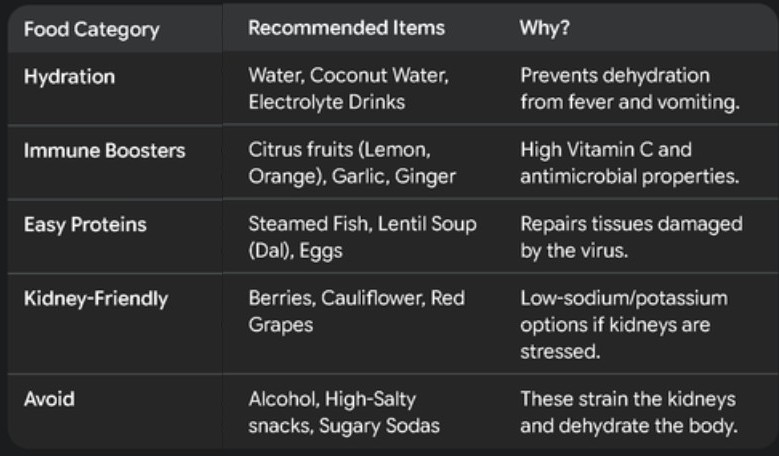
- The Hantavirus Recovery Diet
While there is no specific “cure” for the virus, supportive care—specifically nutrition—helps the body fight the infection and recover organ function.
- When to See a Doctor
If you have been in an area where rodents are present (like a shed, cabin, or barn) and you develop fever, muscle aches, and shortness of breath, seek medical attention immediately. Mention your exposure to rodents to the healthcare provider. Early ICU care and oxygen therapy significantly increase the chances of survival.
Conclusion:Hantavirus is a serious threat, but it is entirely manageable through awareness. By keeping your environment clean, sealing your home, and maintaining a healthy immune system, you can protect yourself and your family from this silent predator. Stay alert, stay clean, and stay safe.