International Desk
11 July
Sandeep Dhand Ludhiana
Journalist And Research Analysist
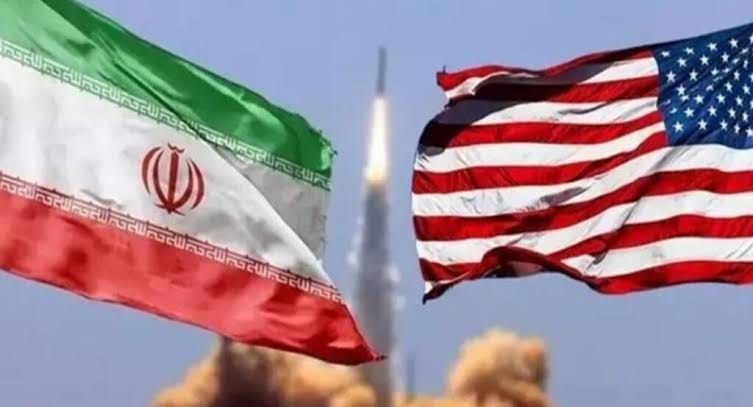
The United States has announced a fresh round of sanctions against Iran following renewed attacks on commercial vessels near the Strait of Hormuz, one of the world’s busiest and most strategically important shipping routes. According to the US Treasury Department, the measures are aimed at disrupting Iran’s financial networks and limiting the resources available to groups accused of supporting the country’s military and regional activities.
Among those targeted is Iranian banker and businessman Ali Ansari, who is based in Dubai. US officials describe him as a key financial supporter of Iran’s top leadership and claim he has helped channel money to the Islamic Revolutionary Guard Corps (IRGC). Britain had previously imposed sanctions on Ansari over allegations that he provided financial assistance to the IRGC. Along with Ansari, several other individuals and organizations have also been added to the latest US sanctions list.
The US Treasury alleges that Ansari built a vast international business empire by misusing public funds and investing in real estate and commercial ventures abroad. Authorities claim these investments were used to benefit himself, influential figures linked to the Iranian government, and the IRGC. Washington believes that cutting off access to these financial networks will make it more difficult for Iran to finance activities that the United States considers destabilizing.
The sanctions also target several major Iranian exchange houses that allegedly handled billions of dollars in transactions on behalf of sanctioned Iranian banks. US officials say these financial institutions relied on a complex network of shell companies to hide the movement of money and bypass international sanctions. By placing these businesses under sanctions, the United States hopes to block financial channels that have allowed restricted entities to continue operating in the global market.
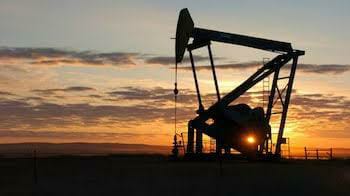
The latest measures come after a period of heightened military tensions in the Gulf region. Recent incidents involving attacks on commercial shipping raised concerns about the safety of international trade through the Strait of Hormuz, a waterway that carries a significant share of the world’s oil exports. Any disruption in this region has the potential to affect global energy supplies and increase shipping costs.
In recent weeks, Iran was accused of firing on three commercial tankers linked to Qatar and Saudi Arabia. In response, the United States carried out strikes on Iranian targets, saying the action was necessary to protect international shipping and regional security. Iran later responded by targeting US military facilities located in Gulf countries, further increasing fears of a wider conflict.
Although active fighting has eased for the moment, diplomatic tensions remain high. The new sanctions signal that Washington intends to continue using economic pressure alongside military deterrence to influence Iran’s actions. Analysts believe the restrictions could have a significant impact on Iranian businesses connected to international finance, while also increasing pressure on Tehran’s leadership.
The developments have once again highlighted the fragile security situation in the Gulf, where even limited military incidents can have far-reaching consequences for global trade, energy markets, and regional stability. Many countries are now closely monitoring the situation, hoping that further escalation can be avoided through diplomatic efforts rather than military confrontation.