National/ Business Desk
29 May
Sandeep Dhand Ludhiana
Journalist And Research Analysist
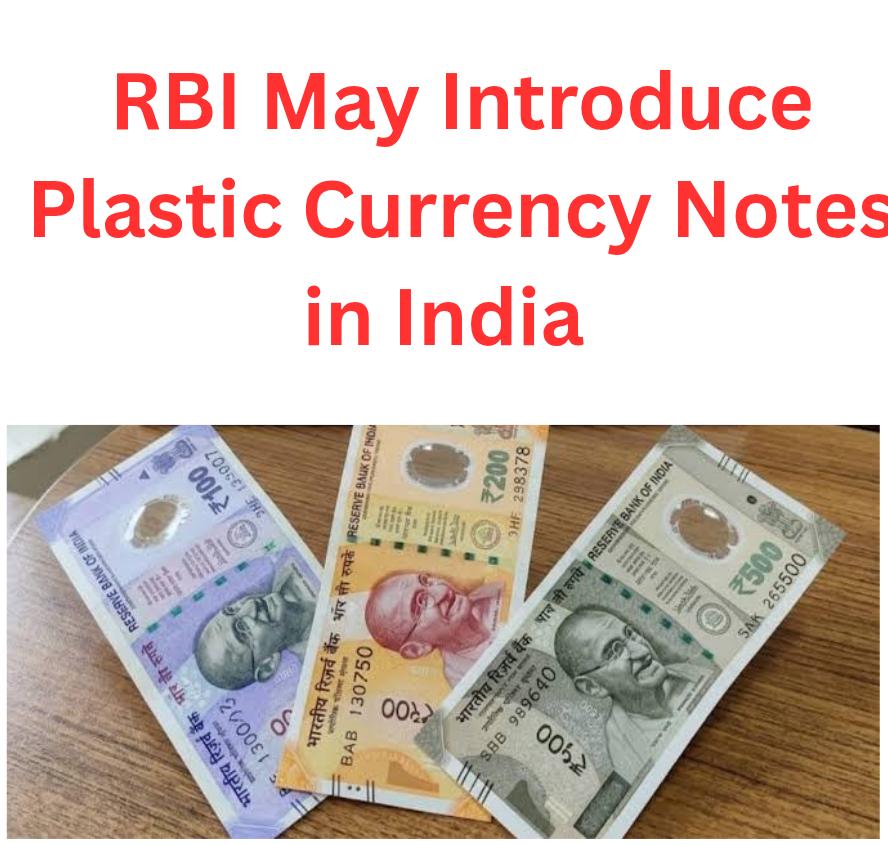
India may soon see plastic currency notes in daily use as the central bank is once again considering the idea of introducing polymer bank notes in the country. The decision is being discussed because the demand for cash is increasing continuously, and the cost of printing paper notes is also rising every year.
Polymer notes are made from a special plastic material instead of traditional cotton-based paper. These notes are stronger, cleaner, and last much longer than normal paper currency. They do not tear easily and are also resistant to water, dirt, moisture, and bacteria. Because of these qualities, they can stay in circulation for a longer time without getting damaged.
Another important reason behind this plan is the growing number of old and damaged notes in the market. A very large number of spoiled notes are removed from circulation every year, especially ₹500 and ₹100 notes. Replacing these damaged notes again and again increases the printing cost for the banking system.
Experts believe that polymer notes can help reduce long-term expenses because they do not need to be replaced frequently. These notes also include advanced security features that make fake currency very difficult to produce. This can help in controlling counterfeit money and improving the safety of the currency system.
Reports suggest that a pilot project may be launched soon to test the use of polymer notes in India. These notes are expected to work normally in ATMs and other banking machines without major changes.
Many countries have already adopted plastic currency successfully. Australia was the first country to introduce polymer notes in 1988, while Canada also shifted to plastic currency later because of its durability and environmental benefits.
If introduced in India, polymer notes could become an important step toward a stronger, safer, and longer-lasting currency system.