International Desk
12 July
Sandeep Dhand
Journalist And Research Analyst
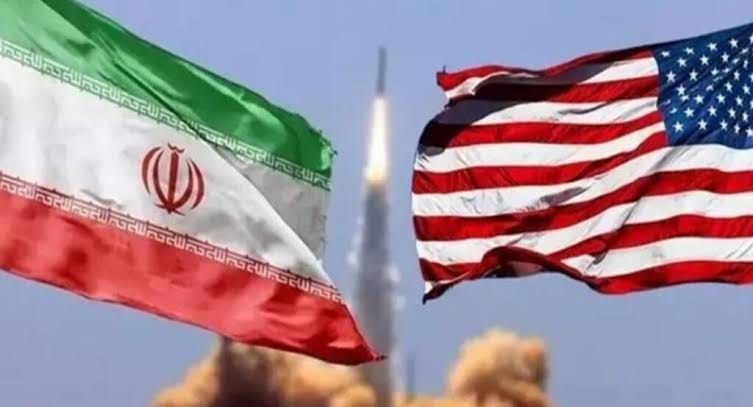
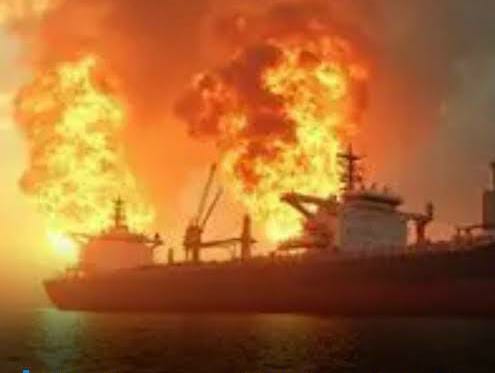
Tensions between Iran and the United States have risen again after recent attacks on ships passing through the Strait of Hormuz. The incident has raised concerns that the fragile ceasefire between the two countries could collapse. However, reports now suggest that Iran has described the attacks as a “mistake” and has expressed interest in restarting diplomatic talks with the United States. According to reports, Iranian officials have blamed the attacks on a group of hardliners inside the country. They claimed these individuals acted without official government approval and carried out the strikes to disrupt the ongoing efforts aimed at maintaining the ceasefire. Iranian authorities said the attacks did not represent the country’s official policy and were not ordered by the government.
Following the incident, Iranian officials reportedly contacted advisers to US President Donald Trump. During the communication, they are said to have admitted that the attacks were a mistake and expressed a willingness to return to the negotiating table. Iran is believed to be hoping that renewed discussions can prevent further military escalation and help restore trust between the two sides.
Despite Iran’s explanation, the United States remains cautious. American officials have indicated that they are not fully convinced that the attacks were carried out only by a small group acting independently. They believe Iran must publicly accept responsibility for violating the ceasefire before any meaningful progress can be made in future negotiations.
The Strait of Hormuz remains at the centre of the current dispute. It is one of the world’s most important shipping routes, carrying a significant share of global oil and gas supplies. Any disruption in this narrow waterway can affect international trade, increase fuel prices, and create uncertainty in global markets. Because of its strategic importance, developments in the region are being closely watched by governments and businesses around the world.
The United States has made it clear that the safe movement of commercial ships through the Strait of Hormuz is a top priority. American officials have warned that if Iran fails to restore normal shipping operations or if further attacks take place, Washington is prepared to respond with stronger military and economic measures. They stressed that freedom of navigation in international waters must be protected.
At the same time, the US administration has not closed the door on diplomacy. Officials say they are still willing to resolve the dispute through peaceful negotiations if Iran demonstrates genuine commitment to the ceasefire and avoids any future aggressive actions. The US believes that dialogue remains the best way to prevent another major conflict in the region.
For Iran, the coming days will be crucial. Its actions regarding shipping security and its public response to the recent attacks will likely determine whether diplomatic talks can move forward or whether tensions will rise once again. The international community is also urging both countries to avoid further confrontation and to resolve their differences through peaceful discussions.
As the situation continues to develop, the world is closely monitoring every step taken by both Iran and the United States. The future of the ceasefire, regional stability, and global trade may depend on the decisions made in the days ahead.