Information Desk
Sandeep Dhand Ludhiana
Journalist And Research Analysist
Nutritionist And Health Educator
Ethanol fuel has emerged as one of the most discussed alternatives to petrol and diesel in recent years. As countries around the world face rising fuel prices, increasing pollution, and concerns about climate change, governments and scientists are searching for cleaner and more sustainable energy sources. Ethanol is considered one such solution because it is produced from plants and agricultural products rather than crude oil. Many countries, including India, Brazil, and the United States, are investing heavily in ethanol production and promoting its use in transportation. The growing interest in ethanol has raised an important question: can ethanol become the future of transportation?
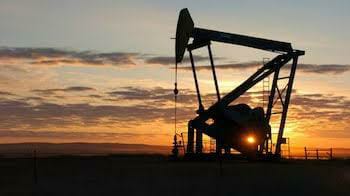
Ethanol is a type of alcohol that can be used as fuel in vehicles. It is mainly produced from crops that contain sugar or starch, such as sugarcane, corn, wheat, and sugar beet. Unlike petrol, which comes from fossil fuels formed over millions of years, ethanol is renewable because it is produced from crops that can be grown every year. The production process involves converting plant sugars into alcohol through fermentation and then purifying the alcohol to create fuel-grade ethanol. This renewable nature makes ethanol an attractive option for countries looking to reduce their dependence on limited fossil fuel resources.
The use of ethanol as a fuel is not a new idea. In fact, ethanol-powered engines existed long before petrol became the dominant fuel for vehicles. During the early development of automobiles, several inventors experimented with ethanol as a fuel source. However, as crude oil became cheaper and petrol became more widely available, ethanol lost popularity. Interest in ethanol returned during the oil crises of the 1970s when many countries realized the risks of depending heavily on imported oil. Since then, technological advancements and environmental concerns have led to a renewed focus on ethanol as an alternative fuel.
One of the main reasons governments support ethanol is its potential to reduce dependence on imported crude oil. Many countries spend billions of dollars every year importing petroleum products. By producing ethanol domestically from agricultural crops, these countries can reduce their reliance on foreign oil suppliers. This improves energy security and helps stabilize fuel supplies. In countries with large agricultural sectors, ethanol production can also provide new economic opportunities and support rural development.
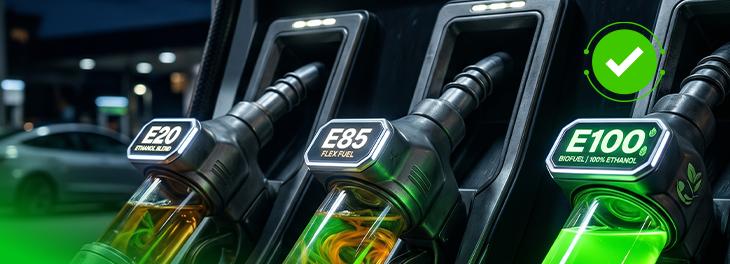
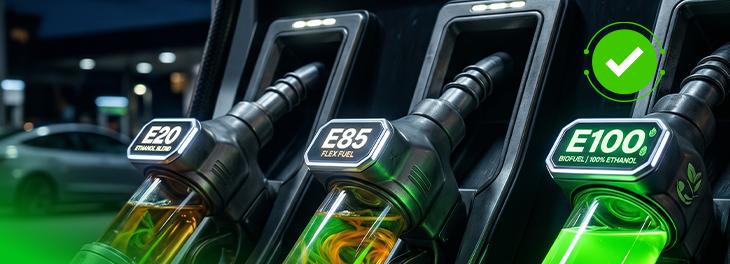
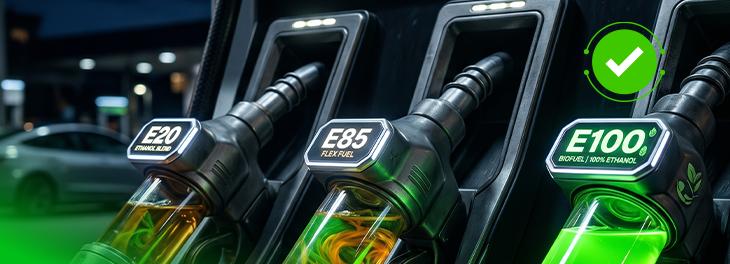
Ethanol is commonly mixed with petrol before being sold at fuel stations. This process is known as ethanol blending. Different blends contain different percentages of ethanol and petrol. For example, E10 contains 10 percent ethanol and 90 percent petrol, while E20 contains 20 percent ethanol and 80 percent petrol. Some countries also use higher blends such as E85, which contains 85 percent ethanol. Many modern vehicles can operate on low-level ethanol blends without requiring any modifications. As technology improves, more vehicles are being designed to handle higher ethanol concentrations.
One of the biggest advantages of ethanol is its environmental benefit. Plants absorb carbon dioxide from the atmosphere as they grow. Because ethanol is produced from these plants, it is often considered a cleaner fuel than petrol. When ethanol is burned, it releases carbon dioxide, but much of this carbon was previously absorbed during plant growth. This creates a more balanced carbon cycle compared to fossil fuels, which release carbon that has been stored underground for millions of years. As a result, ethanol can help reduce greenhouse gas emissions and contribute to efforts to combat climate change.
Ethanol also burns more cleanly than conventional petrol. It contains oxygen, which helps fuel burn more completely inside an engine. This can reduce emissions of carbon monoxide and certain harmful pollutants that contribute to poor air quality. Cleaner emissions are especially important in large cities where vehicle pollution is a major public health concern. By increasing the use of ethanol-blended fuels, governments hope to improve air quality and reduce pollution-related health problems.
Another important advantage of ethanol is the support it provides to farmers and rural communities. Crops such as sugarcane and corn can be used for ethanol production, creating additional demand for agricultural products. This can help farmers earn higher incomes and reduce the impact of fluctuating crop prices. The ethanol industry also creates jobs in farming, transportation, processing, storage, and distribution. These economic benefits are particularly valuable in rural areas where employment opportunities may be limited.
Despite its advantages, ethanol also faces several challenges. One major concern is that ethanol contains less energy than petrol. As a result, vehicles running on high ethanol blends may travel slightly fewer kilometers per litre compared to those running on pure petrol. Although the difference may not be significant for low-level blends, it becomes more noticeable as the ethanol concentration increases. This lower energy content can affect fuel efficiency and may influence consumer acceptance.
Another challenge is the large amount of agricultural land required for ethanol production. Critics argue that using farmland to grow fuel crops could compete with food production. If too much land is dedicated to ethanol crops, food prices could increase and food security could be affected. Balancing the demand for food and fuel remains an important issue in ethanol policy. Governments must ensure that ethanol production does not negatively impact the availability and affordability of essential food crops.
Water usage is another concern associated with ethanol production. Crops such as sugarcane require significant amounts of water to grow. In regions where water resources are already limited, expanding ethanol production could place additional pressure on water supplies. Sustainable farming practices and efficient irrigation systems are necessary to reduce the environmental impact of ethanol production and ensure long-term sustainability.
Vehicle compatibility is also an important consideration. While many modern vehicles can use low ethanol blends without any problems, older vehicles may not be designed to handle higher concentrations of ethanol. High ethanol blends can affect certain engine components and fuel systems if they are not specifically designed for such fuels. To address this issue, manufacturers are increasingly developing flex-fuel vehicles that can operate on a wide range of ethanol-petrol mixtures.
Brazil is often cited as a successful example of ethanol adoption. The country has invested heavily in ethanol production from sugarcane and has developed a large fleet of flex-fuel vehicles. Brazilian drivers can choose between petrol and ethanol depending on fuel prices and availability. This flexibility has helped Brazil reduce its dependence on imported oil while supporting its agricultural sector. The Brazilian experience demonstrates that ethanol can play a significant role in a country’s transportation system when supported by appropriate policies and infrastructure.
India has also made significant progress in promoting ethanol blending. The government has introduced programs to increase the percentage of ethanol in petrol and reduce dependence on imported fuel. India’s large sugarcane industry provides a strong foundation for ethanol production, and the expansion of ethanol blending is expected to benefit both the energy sector and agricultural communities. New ethanol plants are being established across the country, and fuel stations offering ethanol-blended petrol are becoming increasingly common.
Researchers are also working on advanced forms of ethanol production known as second-generation ethanol. Instead of using food crops, second-generation ethanol is produced from agricultural waste such as rice straw, wheat straw, corn stalks, and sugarcane residue. This approach offers several advantages because it reduces competition with food production while making use of materials that would otherwise be discarded. Advanced ethanol technologies have the potential to make fuel production more sustainable and environmentally friendly.
Looking ahead, ethanol is expected to remain an important part of the global energy landscape. However, it is unlikely to completely replace petrol in the near future. Instead, ethanol will probably be used alongside other alternative energy solutions such as electric vehicles, hydrogen fuel, and biodiesel. Each technology has its own strengths and limitations, and a combination of different solutions will likely be needed to create a cleaner and more sustainable transportation system.
In conclusion, ethanol is a renewable fuel with significant potential to reduce pollution, support farmers, improve energy security, and decrease dependence on fossil fuels. Its environmental and economic benefits have made it an important component of energy strategies in many countries. However, challenges related to land use, water consumption, fuel efficiency, and vehicle compatibility must be carefully addressed. As technology continues to improve and sustainable production methods become more widespread, ethanol is likely to play a growing role in the future of transportation. While it may not completely replace petrol, it can certainly become a valuable part of a cleaner and more sustainable energy future.
In Punjabi Translate……
ਈਥੇਨੋਲ ਇੰਧਨ: ਕੀ ਇਹ ਆਵਾਜਾਈ ਦਾ ਭਵਿੱਖ ਬਣ ਸਕਦਾ ਹੈ?
Information Desk
Sandeep Dhand Ludhiana
Journalist And Research Analysist
Nutritionist And Health Educator
ਅੱਜ ਦੇ ਸਮੇਂ ਵਿੱਚ ਦੁਨੀਆ ਭਰ ਦੇ ਦੇਸ਼ ਵਧ ਰਹੀ ਪ੍ਰਦੂਸ਼ਣ ਦੀ ਸਮੱਸਿਆ, ਜਲਵਾਯੂ ਪਰਿਵਰਤਨ ਅਤੇ ਪੈਟਰੋਲ-ਡੀਜ਼ਲ ਦੀਆਂ ਉੱਚੀਆਂ ਕੀਮਤਾਂ ਨਾਲ ਜੂਝ ਰਹੇ ਹਨ। ਇਸ ਕਾਰਨ ਸਰਕਾਰਾਂ ਅਤੇ ਵਿਗਿਆਨੀ ਅਜਿਹੇ ਇੰਧਨਾਂ ਦੀ ਭਾਲ ਕਰ ਰਹੇ ਹਨ ਜੋ ਵਾਤਾਵਰਣ ਲਈ ਘੱਟ ਨੁਕਸਾਨਦਾਇਕ ਹੋਣ ਅਤੇ ਲੰਬੇ ਸਮੇਂ ਤੱਕ ਉਪਲਬਧ ਰਹਿ ਸਕਣ। ਈਥੇਨੋਲ ਅਜਿਹਾ ਹੀ ਇੱਕ ਵਿਕਲਪ ਹੈ ਜਿਸ ਵੱਲ ਦੁਨੀਆ ਦਾ ਧਿਆਨ ਤੇਜ਼ੀ ਨਾਲ ਵੱਧ ਰਿਹਾ ਹੈ। ਭਾਰਤ, ਬ੍ਰਾਜ਼ੀਲ ਅਤੇ ਅਮਰੀਕਾ ਵਰਗੇ ਦੇਸ਼ ਈਥੇਨੋਲ ਦੇ ਉਤਪਾਦਨ ਅਤੇ ਇਸ ਦੀ ਵਰਤੋਂ ਨੂੰ ਉਤਸ਼ਾਹਿਤ ਕਰ ਰਹੇ ਹਨ। ਇਸ ਕਾਰਨ ਇਹ ਸਵਾਲ ਵੀ ਉੱਠਦਾ ਹੈ ਕਿ ਕੀ ਈਥੇਨੋਲ ਭਵਿੱਖ ਵਿੱਚ ਆਵਾਜਾਈ ਖੇਤਰ ਦਾ ਮੁੱਖ ਇੰਧਨ ਬਣ ਸਕਦਾ ਹੈ।
ਈਥੇਨੋਲ ਇੱਕ ਕਿਸਮ ਦੀ ਅਲਕੋਹਲ ਹੈ ਜੋ ਇੰਧਨ ਵਜੋਂ ਵਰਤੀ ਜਾਂਦੀ ਹੈ। ਇਹ ਮੁੱਖ ਤੌਰ ‘ਤੇ ਗੰਨੇ, ਮੱਕੀ, ਕਣਕ, ਚੁੱਕੰਦਰ ਅਤੇ ਹੋਰ ਅਜਿਹੀਆਂ ਫਸਲਾਂ ਤੋਂ ਤਿਆਰ ਕੀਤੀ ਜਾਂਦੀ ਹੈ ਜਿਨ੍ਹਾਂ ਵਿੱਚ ਸ਼ੱਕਰ ਜਾਂ ਸਟਾਰਚ ਦੀ ਮਾਤਰਾ ਵੱਧ ਹੁੰਦੀ ਹੈ। ਪੈਟਰੋਲ ਦੀ ਤਰ੍ਹਾਂ ਇਹ ਜ਼ਮੀਨ ਹੇਠਾਂ ਮੌਜੂਦ ਕੱਚੇ ਤੇਲ ਤੋਂ ਨਹੀਂ ਬਣਦੀ, ਸਗੋਂ ਖੇਤੀਬਾੜੀ ਉਤਪਾਦਾਂ ਤੋਂ ਤਿਆਰ ਹੁੰਦੀ ਹੈ। ਇਸ ਲਈ ਇਸਨੂੰ ਨਵੀਨੀਕਰਨਯੋਗ ਇੰਧਨ ਮੰਨਿਆ ਜਾਂਦਾ ਹੈ ਕਿਉਂਕਿ ਇਸ ਦੇ ਉਤਪਾਦਨ ਲਈ ਵਰਤੀਆਂ ਜਾਣ ਵਾਲੀਆਂ ਫਸਲਾਂ ਹਰ ਸਾਲ ਦੁਬਾਰਾ ਉਗਾਈਆਂ ਜਾ ਸਕਦੀਆਂ ਹਨ।
ਈਥੇਨੋਲ ਬਣਾਉਣ ਦੀ ਪ੍ਰਕਿਰਿਆ ਕਾਫ਼ੀ ਦਿਲਚਸਪ ਹੈ। ਸਭ ਤੋਂ ਪਹਿਲਾਂ ਗੰਨੇ ਜਾਂ ਮੱਕੀ ਵਰਗੀਆਂ ਫਸਲਾਂ ਤੋਂ ਸ਼ੱਕਰ ਪ੍ਰਾਪਤ ਕੀਤੀ ਜਾਂਦੀ ਹੈ। ਇਸ ਤੋਂ ਬਾਅਦ ਖਮੀਰ ਦੀ ਮਦਦ ਨਾਲ ਫਰਮੈਂਟੇਸ਼ਨ ਦੀ ਪ੍ਰਕਿਰਿਆ ਰਾਹੀਂ ਸ਼ੱਕਰ ਨੂੰ ਅਲਕੋਹਲ ਵਿੱਚ ਬਦਲਿਆ ਜਾਂਦਾ ਹੈ। ਫਿਰ ਇਸ ਅਲਕੋਹਲ ਨੂੰ ਸ਼ੁੱਧ ਕਰਕੇ ਇੰਧਨ-ਗ੍ਰੇਡ ਈਥੇਨੋਲ ਤਿਆਰ ਕੀਤੀ ਜਾਂਦੀ ਹੈ। ਇਹ ਈਥੇਨੋਲ ਬਾਅਦ ਵਿੱਚ ਪੈਟਰੋਲ ਨਾਲ ਮਿਲਾ ਕੇ ਵਾਹਨਾਂ ਵਿੱਚ ਵਰਤੀ ਜਾਂਦੀ ਹੈ।
ਭਾਵੇਂ ਈਥੇਨੋਲ ਅੱਜਕੱਲ੍ਹ ਬਹੁਤ ਚਰਚਾ ਵਿੱਚ ਹੈ, ਪਰ ਇਸ ਦੀ ਵਰਤੋਂ ਕੋਈ ਨਵੀਂ ਗੱਲ ਨਹੀਂ ਹੈ। ਮੋਟਰਗੱਡੀਆਂ ਦੇ ਸ਼ੁਰੂਆਤੀ ਦੌਰ ਵਿੱਚ ਵੀ ਈਥੇਨੋਲ ਨੂੰ ਇੰਧਨ ਵਜੋਂ ਵਰਤਣ ਦੇ ਪ੍ਰਯੋਗ ਕੀਤੇ ਗਏ ਸਨ। ਪਰ ਜਦੋਂ ਪੈਟਰੋਲ ਸਸਤਾ ਅਤੇ ਆਸਾਨੀ ਨਾਲ ਉਪਲਬਧ ਹੋ ਗਿਆ ਤਾਂ ਈਥੇਨੋਲ ਦੀ ਵਰਤੋਂ ਘੱਟ ਹੋ ਗਈ। 1970 ਦੇ ਦਹਾਕੇ ਵਿੱਚ ਤੇਲ ਸੰਕਟ ਦੌਰਾਨ ਦੁਬਾਰਾ ਇਸ ਵੱਲ ਧਿਆਨ ਦਿੱਤਾ ਗਿਆ ਅਤੇ ਉਸ ਤੋਂ ਬਾਅਦ ਵਾਤਾਵਰਣ ਸੰਬੰਧੀ ਚਿੰਤਾਵਾਂ ਨੇ ਇਸ ਨੂੰ ਹੋਰ ਮਹੱਤਵਪੂਰਨ ਬਣਾ ਦਿੱਤਾ।
ਅੱਜ ਬਹੁਤ ਸਾਰੇ ਦੇਸ਼ ਈਥੇਨੋਲ ਨੂੰ ਪੈਟਰੋਲ ਵਿੱਚ ਮਿਲਾ ਕੇ ਵਰਤ ਰਹੇ ਹਨ। ਇਸ ਪ੍ਰਕਿਰਿਆ ਨੂੰ ਈਥੇਨੋਲ ਬਲੈਂਡਿੰਗ ਕਿਹਾ ਜਾਂਦਾ ਹੈ। ਉਦਾਹਰਨ ਲਈ E10 ਵਿੱਚ 10 ਪ੍ਰਤੀਸ਼ਤ ਈਥੇਨੋਲ ਅਤੇ 90 ਪ੍ਰਤੀਸ਼ਤ ਪੈਟਰੋਲ ਹੁੰਦਾ ਹੈ, ਜਦਕਿ E20 ਵਿੱਚ 20 ਪ੍ਰਤੀਸ਼ਤ ਈਥੇਨੋਲ ਅਤੇ 80 ਪ੍ਰਤੀਸ਼ਤ ਪੈਟਰੋਲ ਹੁੰਦਾ ਹੈ। ਕੁਝ ਦੇਸ਼ E85 ਵਰਗੇ ਉੱਚ ਮਿਸ਼ਰਣ ਵੀ ਵਰਤਦੇ ਹਨ। ਜ਼ਿਆਦਾਤਰ ਆਧੁਨਿਕ ਵਾਹਨ ਘੱਟ ਮਾਤਰਾ ਵਾਲੇ ਈਥੇਨੋਲ ਮਿਸ਼ਰਣ ‘ਤੇ ਬਿਨਾਂ ਕਿਸੇ ਸਮੱਸਿਆ ਦੇ ਚੱਲ ਸਕਦੇ ਹਨ।
ਈਥੇਨੋਲ ਨੂੰ ਪ੍ਰੋਤਸਾਹਿਤ ਕਰਨ ਦਾ ਇੱਕ ਵੱਡਾ ਕਾਰਨ ਇਹ ਹੈ ਕਿ ਇਹ ਦੇਸ਼ਾਂ ਦੀ ਵਿਦੇਸ਼ੀ ਤੇਲ ‘ਤੇ ਨਿਰਭਰਤਾ ਘਟਾ ਸਕਦਾ ਹੈ। ਬਹੁਤ ਸਾਰੇ ਦੇਸ਼ ਹਰ ਸਾਲ ਕੱਚੇ ਤੇਲ ਦੀ ਆਯਾਤ ‘ਤੇ ਵੱਡੀ ਰਕਮ ਖਰਚ ਕਰਦੇ ਹਨ। ਜੇਕਰ ਇੰਧਨ ਦਾ ਕੁਝ ਹਿੱਸਾ ਦੇਸ਼ ਅੰਦਰ ਹੀ ਤਿਆਰ ਕੀਤਾ ਜਾਵੇ ਤਾਂ ਇਸ ਨਾਲ ਵਿਦੇਸ਼ੀ ਮੁਦਰਾ ਦੀ ਬਚਤ ਹੋ ਸਕਦੀ ਹੈ ਅਤੇ ਊਰਜਾ ਸੁਰੱਖਿਆ ਮਜ਼ਬੂਤ ਹੋ ਸਕਦੀ ਹੈ। ਖਾਸ ਕਰਕੇ ਭਾਰਤ ਵਰਗੇ ਦੇਸ਼ ਲਈ ਇਹ ਇੱਕ ਮਹੱਤਵਪੂਰਨ ਲਾਭ ਹੈ।
ਈਥੇਨੋਲ ਦਾ ਇੱਕ ਹੋਰ ਵੱਡਾ ਫਾਇਦਾ ਇਹ ਹੈ ਕਿ ਇਹ ਵਾਤਾਵਰਣ ਲਈ ਪੈਟਰੋਲ ਨਾਲੋਂ ਘੱਟ ਹਾਨੀਕਾਰਕ ਮੰਨਿਆ ਜਾਂਦਾ ਹੈ। ਪੌਦੇ ਆਪਣੇ ਵਿਕਾਸ ਦੌਰਾਨ ਵਾਤਾਵਰਣ ਵਿਚੋਂ ਕਾਰਬਨ ਡਾਈਆਕਸਾਈਡ ਸੋਖਦੇ ਹਨ। ਜਦੋਂ ਈਥੇਨੋਲ ਨੂੰ ਸਾੜਿਆ ਜਾਂਦਾ ਹੈ ਤਾਂ ਕਾਰਬਨ ਡਾਈਆਕਸਾਈਡ ਦੁਬਾਰਾ ਵਾਤਾਵਰਣ ਵਿੱਚ ਜਾਂਦੀ ਹੈ, ਪਰ ਇਹ ਉਹੀ ਕਾਰਬਨ ਹੁੰਦਾ ਹੈ ਜੋ ਪੌਦਿਆਂ ਨੇ ਪਹਿਲਾਂ ਸੋਖਿਆ ਸੀ। ਇਸ ਕਾਰਨ ਈਥੇਨੋਲ ਨੂੰ ਪੈਟਰੋਲ ਦੇ ਮੁਕਾਬਲੇ ਘੱਟ ਕਾਰਬਨ ਉਤਸਰਜਨ ਵਾਲਾ ਇੰਧਨ ਮੰਨਿਆ ਜਾਂਦਾ ਹੈ।
ਈਥੇਨੋਲ ਦੇ ਸੜਨ ਨਾਲ ਕੁਝ ਹੋਰ ਹਾਨੀਕਾਰਕ ਗੈਸਾਂ ਦਾ ਨਿਕਾਸ ਵੀ ਘੱਟ ਹੁੰਦਾ ਹੈ। ਇਹ ਇੰਜਣ ਵਿੱਚ ਜ਼ਿਆਦਾ ਸਾਫ਼ ਤਰੀਕੇ ਨਾਲ ਸੜਦੀ ਹੈ, ਜਿਸ ਨਾਲ ਹਵਾ ਪ੍ਰਦੂਸ਼ਣ ਘਟ ਸਕਦਾ ਹੈ। ਵੱਡੇ ਸ਼ਹਿਰਾਂ ਵਿੱਚ ਜਿੱਥੇ ਵਾਹਨਾਂ ਦਾ ਧੂੰਆਂ ਇੱਕ ਵੱਡੀ ਸਮੱਸਿਆ ਹੈ, ਉੱਥੇ ਈਥੇਨੋਲ ਮਿਲੇ ਇੰਧਨ ਦੀ ਵਰਤੋਂ ਹਵਾ ਦੀ ਗੁਣਵੱਤਾ ਨੂੰ ਬਿਹਤਰ ਬਣਾਉਣ ਵਿੱਚ ਮਦਦ ਕਰ ਸਕਦੀ ਹੈ।
ਈਥੇਨੋਲ ਖੇਤੀਬਾੜੀ ਖੇਤਰ ਲਈ ਵੀ ਲਾਭਦਾਇਕ ਹੈ। ਗੰਨੇ ਅਤੇ ਮੱਕੀ ਵਰਗੀਆਂ ਫਸਲਾਂ ਦੀ ਮੰਗ ਵਧਣ ਨਾਲ ਕਿਸਾਨਾਂ ਨੂੰ ਵਾਧੂ ਆਮਦਨ ਪ੍ਰਾਪਤ ਹੋ ਸਕਦੀ ਹੈ। ਇਸ ਨਾਲ ਪਿੰਡਾਂ ਵਿੱਚ ਰੋਜ਼ਗਾਰ ਦੇ ਨਵੇਂ ਮੌਕੇ ਪੈਦਾ ਹੁੰਦੇ ਹਨ। ਈਥੇਨੋਲ ਉਦਯੋਗ ਵਿੱਚ ਖੇਤੀ, ਆਵਾਜਾਈ, ਪ੍ਰੋਸੈਸਿੰਗ ਅਤੇ ਵੰਡ ਨਾਲ ਜੁੜੇ ਹਜ਼ਾਰਾਂ ਲੋਕਾਂ ਨੂੰ ਰੋਜ਼ਗਾਰ ਮਿਲ ਸਕਦਾ ਹੈ।
ਹਾਲਾਂਕਿ ਈਥੇਨੋਲ ਦੇ ਕਈ ਫਾਇਦੇ ਹਨ, ਪਰ ਇਸ ਨਾਲ ਕੁਝ ਚੁਣੌਤੀਆਂ ਵੀ ਜੁੜੀਆਂ ਹੋਈਆਂ ਹਨ। ਸਭ ਤੋਂ ਪਹਿਲਾਂ, ਈਥੇਨੋਲ ਵਿੱਚ ਪੈਟਰੋਲ ਦੇ ਮੁਕਾਬਲੇ ਘੱਟ ਊਰਜਾ ਹੁੰਦੀ ਹੈ। ਇਸ ਦਾ ਅਰਥ ਹੈ ਕਿ ਜੇ ਵਾਹਨ ਉੱਚ ਮਾਤਰਾ ਵਾਲੇ ਈਥੇਨੋਲ ਮਿਸ਼ਰਣ ‘ਤੇ ਚੱਲਣ ਤਾਂ ਉਹ ਪ੍ਰਤੀ ਲੀਟਰ ਕੁਝ ਘੱਟ ਦੂਰੀ ਤੈਅ ਕਰ ਸਕਦੇ ਹਨ। ਇਸ ਨਾਲ ਇੰਧਨ ਦੀ ਕੁਸ਼ਲਤਾ ‘ਤੇ ਅਸਰ ਪੈ ਸਕਦਾ ਹੈ।
ਇੱਕ ਹੋਰ ਚਿੰਤਾ ਇਹ ਹੈ ਕਿ ਈਥੇਨੋਲ ਦੇ ਉਤਪਾਦਨ ਲਈ ਖੇਤੀਬਾੜੀ ਜ਼ਮੀਨ ਦੀ ਲੋੜ ਹੁੰਦੀ ਹੈ। ਕੁਝ ਵਿਸ਼ੇਸ਼ਗਿਆਨ ਮੰਨਦੇ ਹਨ ਕਿ ਜੇ ਬਹੁਤ ਜ਼ਿਆਦਾ ਜ਼ਮੀਨ ਇੰਧਨ ਵਾਲੀਆਂ ਫਸਲਾਂ ਲਈ ਵਰਤੀ ਗਈ ਤਾਂ ਖੁਰਾਕ ਉਤਪਾਦਨ ‘ਤੇ ਅਸਰ ਪੈ ਸਕਦਾ ਹੈ। ਇਸ ਲਈ ਸਰਕਾਰਾਂ ਨੂੰ ਖੁਰਾਕ ਅਤੇ ਇੰਧਨ ਦੀਆਂ ਲੋੜਾਂ ਵਿਚਕਾਰ ਸੰਤੁਲਨ ਬਣਾਈ ਰੱਖਣਾ ਪਵੇਗਾ।
ਪਾਣੀ ਦੀ ਵਰਤੋਂ ਵੀ ਇੱਕ ਮਹੱਤਵਪੂਰਨ ਮੁੱਦਾ ਹੈ। ਗੰਨੇ ਵਰਗੀਆਂ ਫਸਲਾਂ ਨੂੰ ਉਗਾਉਣ ਲਈ ਕਾਫ਼ੀ ਪਾਣੀ ਦੀ ਲੋੜ ਹੁੰਦੀ ਹੈ। ਜੇਕਰ ਪਾਣੀ ਦੀ ਘਾਟ ਵਾਲੇ ਖੇਤਰਾਂ ਵਿੱਚ ਵੱਡੇ ਪੱਧਰ ‘ਤੇ ਈਥੇਨੋਲ ਉਤਪਾਦਨ ਕੀਤਾ ਜਾਵੇ ਤਾਂ ਇਸ ਨਾਲ ਪਾਣੀ ਦੇ ਸਰੋਤਾਂ ‘ਤੇ ਦਬਾਅ ਵਧ ਸਕਦਾ ਹੈ। ਇਸ ਲਈ ਟਿਕਾਊ ਖੇਤੀ ਪ੍ਰਣਾਲੀਆਂ ਅਤੇ ਪਾਣੀ ਦੀ ਕੁਸ਼ਲ ਵਰਤੋਂ ਬਹੁਤ ਜ਼ਰੂਰੀ ਹੈ।
ਵਾਹਨਾਂ ਦੀ ਅਨੁਕੂਲਤਾ ਵੀ ਇੱਕ ਚੁਣੌਤੀ ਹੈ। ਜਿੱਥੇ ਆਧੁਨਿਕ ਵਾਹਨ ਘੱਟ ਈਥੇਨੋਲ ਮਿਸ਼ਰਣਾਂ ‘ਤੇ ਆਸਾਨੀ ਨਾਲ ਚੱਲ ਸਕਦੇ ਹਨ, ਉੱਥੇ ਪੁਰਾਣੇ ਵਾਹਨਾਂ ਵਿੱਚ ਕੁਝ ਤਕਨੀਕੀ ਸਮੱਸਿਆਵਾਂ ਆ ਸਕਦੀਆਂ ਹਨ। ਇਸ ਸਮੱਸਿਆ ਨੂੰ ਹੱਲ ਕਰਨ ਲਈ ਕਈ ਕੰਪਨੀਆਂ ਫਲੈਕਸ-ਫਿਊਲ ਵਾਹਨ ਤਿਆਰ ਕਰ ਰਹੀਆਂ ਹਨ ਜੋ ਪੈਟਰੋਲ ਅਤੇ ਈਥੇਨੋਲ ਦੇ ਵੱਖ-ਵੱਖ ਮਿਸ਼ਰਣਾਂ ‘ਤੇ ਚੱਲ ਸਕਦੇ ਹਨ।
ਬ੍ਰਾਜ਼ੀਲ ਨੂੰ ਈਥੇਨੋਲ ਦੀ ਸਫਲ ਵਰਤੋਂ ਦਾ ਸਭ ਤੋਂ ਵਧੀਆ ਉਦਾਹਰਨ ਮੰਨਿਆ ਜਾਂਦਾ ਹੈ। ਉੱਥੇ ਗੰਨੇ ਤੋਂ ਵੱਡੇ ਪੱਧਰ ‘ਤੇ ਈਥੇਨੋਲ ਬਣਾਈ ਜਾਂਦੀ ਹੈ ਅਤੇ ਲੱਖਾਂ ਫਲੈਕਸ-ਫਿਊਲ ਵਾਹਨ ਸੜਕਾਂ ‘ਤੇ ਚੱਲ ਰਹੇ ਹਨ। ਇਸ ਨਾਲ ਬ੍ਰਾਜ਼ੀਲ ਨੇ ਆਪਣੀ ਤੇਲ ‘ਤੇ ਨਿਰਭਰਤਾ ਨੂੰ ਕਾਫ਼ੀ ਹੱਦ ਤੱਕ ਘਟਾਇਆ ਹੈ।
ਭਾਰਤ ਵੀ ਈਥੇਨੋਲ ਦੇ ਖੇਤਰ ਵਿੱਚ ਤੇਜ਼ੀ ਨਾਲ ਅੱਗੇ ਵੱਧ ਰਿਹਾ ਹੈ। ਸਰਕਾਰ ਨੇ ਪੈਟਰੋਲ ਵਿੱਚ ਈਥੇਨੋਲ ਦੀ ਮਾਤਰਾ ਵਧਾਉਣ ਲਈ ਕਈ ਯੋਜਨਾਵਾਂ ਸ਼ੁਰੂ ਕੀਤੀਆਂ ਹਨ। ਦੇਸ਼ ਭਰ ਵਿੱਚ ਨਵੇਂ ਈਥੇਨੋਲ ਪਲਾਂਟ ਲਗਾਏ ਜਾ ਰਹੇ ਹਨ ਅਤੇ ਪੈਟਰੋਲ ਪੰਪਾਂ ‘ਤੇ ਈਥੇਨੋਲ ਮਿਲਿਆ ਇੰਧਨ ਉਪਲਬਧ ਕਰਵਾਇਆ ਜਾ ਰਿਹਾ ਹੈ। ਇਸ ਨਾਲ ਨਾ ਸਿਰਫ਼ ਇੰਧਨ ਆਯਾਤ ਘਟੇਗੀ, ਸਗੋਂ ਕਿਸਾਨਾਂ ਨੂੰ ਵੀ ਲਾਭ ਮਿਲੇਗਾ।
ਭਵਿੱਖ ਵਿੱਚ ਵਿਗਿਆਨੀ ਦੂਜੀ ਪੀੜ੍ਹੀ ਦੀ ਈਥੇਨੋਲ ‘ਤੇ ਵੀ ਕੰਮ ਕਰ ਰਹੇ ਹਨ, ਜੋ ਕਿ ਖੇਤੀਬਾੜੀ ਦੇ ਬਚੇ-ਖੁਚੇ ਅਵਸ਼ੇਸ਼ਾਂ ਜਿਵੇਂ ਕਿ ਪਰਾਲੀ, ਗੰਨੇ ਦੀ ਰਹਿੰਦ-ਖੂੰਹਦ ਅਤੇ ਹੋਰ ਜੈਵਿਕ ਸਮੱਗਰੀ ਤੋਂ ਬਣਾਈ ਜਾ ਸਕਦੀ ਹੈ। ਇਸ ਨਾਲ ਖੁਰਾਕ ਵਾਲੀਆਂ ਫਸਲਾਂ ‘ਤੇ ਨਿਰਭਰਤਾ ਘਟੇਗੀ ਅਤੇ ਖੇਤੀਬਾੜੀ ਦੇ ਕੂੜੇ ਦੀ ਵੀ ਸਹੀ ਵਰਤੋਂ ਹੋ ਸਕੇਗੀ।
ਅੰਤ ਵਿੱਚ ਕਿਹਾ ਜਾ ਸਕਦਾ ਹੈ ਕਿ ਈਥੇਨੋਲ ਇੱਕ ਮਹੱਤਵਪੂਰਨ ਅਤੇ ਉਮੀਦਭਰਿਆ ਵਿਕਲਪਿਕ ਇੰਧਨ ਹੈ। ਇਹ ਪ੍ਰਦੂਸ਼ਣ ਘਟਾਉਣ, ਊਰਜਾ ਸੁਰੱਖਿਆ ਵਧਾਉਣ, ਕਿਸਾਨਾਂ ਦੀ ਆਮਦਨ ਵਿੱਚ ਵਾਧਾ ਕਰਨ ਅਤੇ ਵਿਦੇਸ਼ੀ ਤੇਲ ‘ਤੇ ਨਿਰਭਰਤਾ ਘਟਾਉਣ ਵਿੱਚ ਮਦਦ ਕਰ ਸਕਦਾ ਹੈ। ਹਾਲਾਂਕਿ ਇਸ ਨਾਲ ਜੁੜੀਆਂ ਕੁਝ ਚੁਣੌਤੀਆਂ ਵੀ ਹਨ, ਪਰ ਸਹੀ ਨੀਤੀਆਂ ਅਤੇ ਤਕਨਾਲੋਜੀ ਦੇ ਵਿਕਾਸ ਨਾਲ ਇਨ੍ਹਾਂ ਨੂੰ ਕਾਫ਼ੀ ਹੱਦ ਤੱਕ ਹੱਲ ਕੀਤਾ ਜਾ ਸਕਦਾ ਹੈ। ਸੰਭਵ ਹੈ ਕਿ ਆਉਣ ਵਾਲੇ ਸਾਲਾਂ ਵਿੱਚ ਈਥੇਨੋਲ ਪੈਟਰੋਲ ਦਾ ਪੂਰਾ ਬਦਲ ਨਾ ਬਣੇ, ਪਰ ਇਹ ਯਕੀਨਨ ਸਾਫ਼ ਅਤੇ ਟਿਕਾਊ ਆਵਾਜਾਈ ਪ੍ਰਣਾਲੀ ਦਾ ਇੱਕ ਮਹੱਤਵਪੂਰਨ ਹਿੱਸਾ ਬਣ ਸਕਦਾ ਹੈ।