Health Desk
Sandeep Dhand Nutritionist And Health Educator
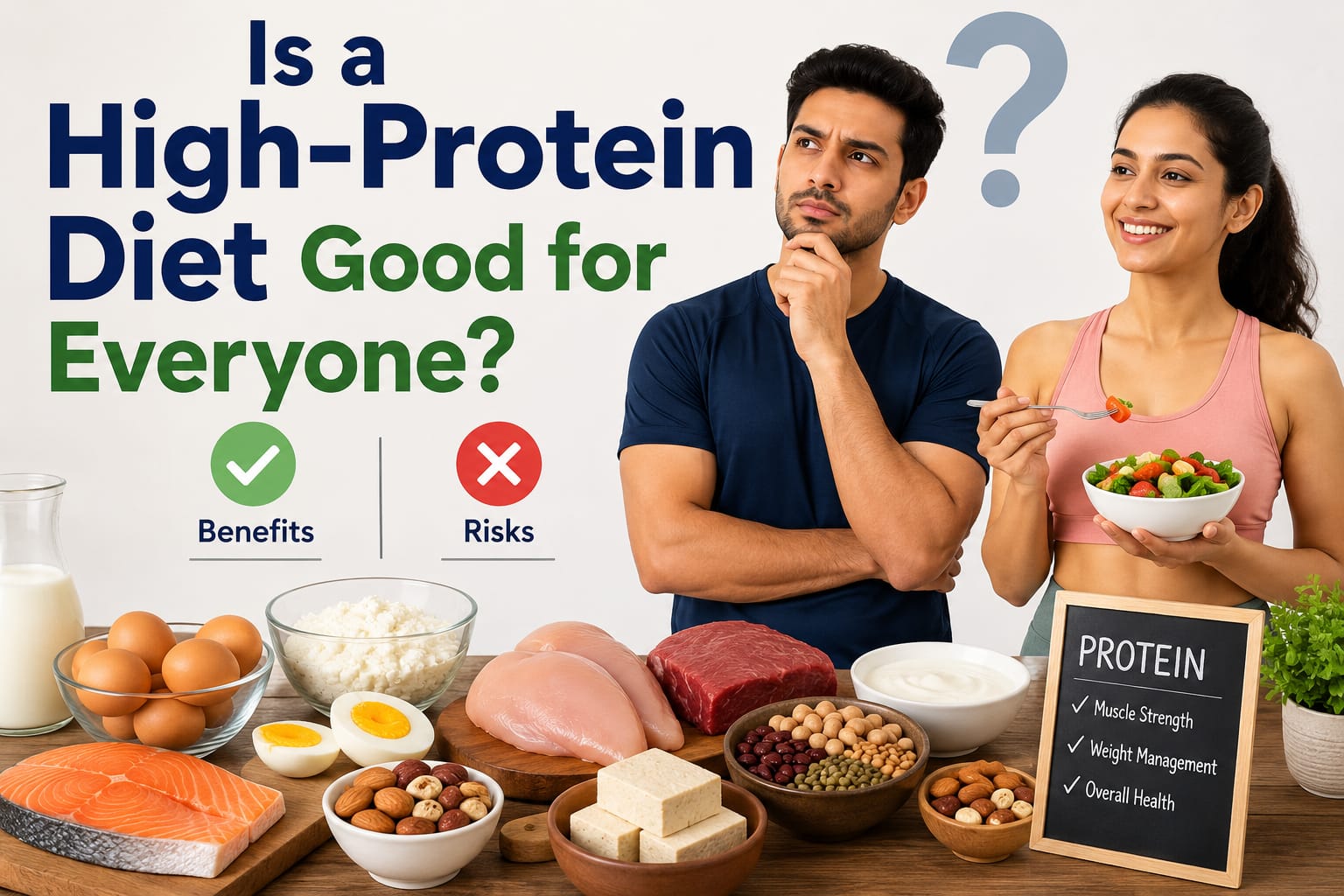
Protein is one of the most important nutrients our body needs every day. It helps build muscles, repair tissues, produce enzymes and hormones, and support the immune system. In recent years, high-protein diets have become extremely popular. Many people believe that eating more protein is the fastest way to lose weight, gain muscle, and stay healthy. Social media, fitness influencers, and advertisements often promote protein powders, protein bars, and high-protein meals as the secret to better health.
Although protein is essential for life, an important question remains: Is a high-protein diet suitable for everyone? The simple answer is no. While some people may benefit from eating more protein, others may need to be careful about their protein intake because of their age, lifestyle, or medical conditions.
This article explains what a high-protein diet is, its benefits, possible risks, who may benefit from it, who should be cautious, and how to include protein in a balanced and healthy way.
What Is Protein?
Protein is one of the three major macronutrients, along with carbohydrates and fats. It is made up of small building blocks called amino acids. These amino acids help the body grow, repair damaged tissues, maintain muscles, and support many essential body functions.
There are 20 amino acids, nine of which are known as essential amino acids because the body cannot produce them. These must come from food.
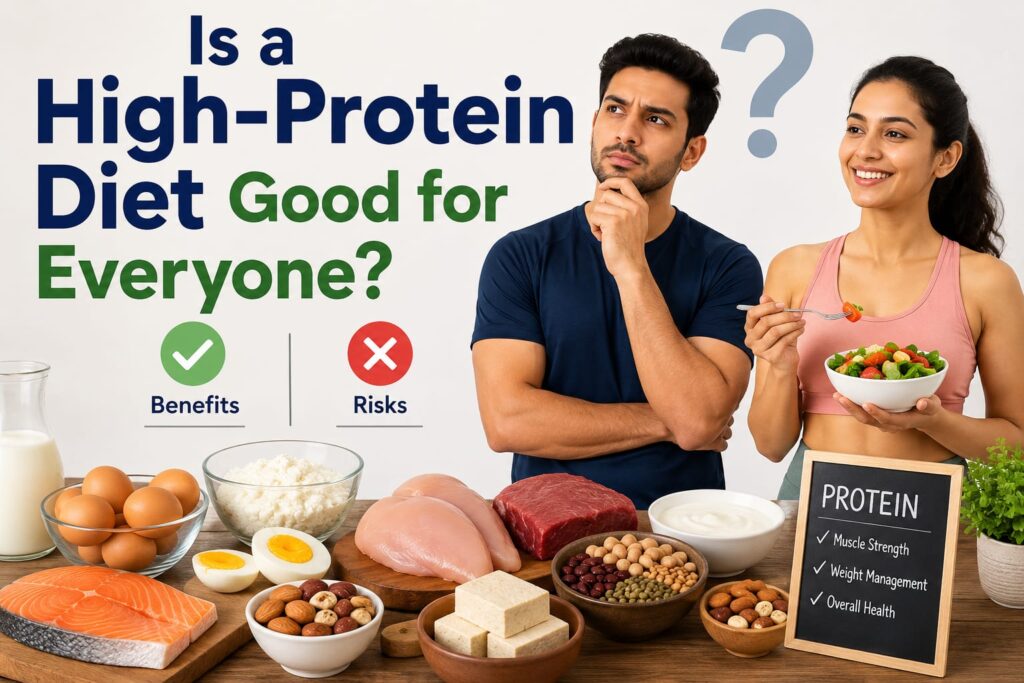
Protein is found in both animal and plant foods.
Animal Sources of Protein
Eggs
Chicken
Fish
Lean meat
Milk
Yogurt
Cheese
These foods are considered complete proteins because they contain all the essential amino acids.
Plant Sources of Protein
Lentils
Chickpeas
Kidney beans
Soybeans
Tofu
Tempeh
Peanuts
Almonds
Pumpkin seeds
Chia seeds
Quinoa
Many plant foods also provide fiber, vitamins, minerals, and antioxidants, making them excellent choices for overall health.
What Is a High-Protein Diet?
A high-protein diet means consuming more protein than the amount generally recommended for healthy adults.
For most healthy adults, the recommended dietary allowance (RDA) is approximately 0.8 grams of protein per kilogram of body weight per day.
For example:
A person weighing 60 kg needs about 48 grams of protein daily.
A person weighing 70 kg needs about 56 grams daily.
A high-protein diet usually provides around 1.2 to 2.0 grams of protein per kilogram of body weight, and in some bodybuilding programs even more.
Often, people following such diets reduce carbohydrates while increasing foods like eggs, chicken, fish, dairy products, and protein supplements.
Why Are High-Protein Diets So Popular?
There are several reasons why these diets have become popular.
First, protein helps people feel full for a longer time, reducing unnecessary snacking.
Second, it supports muscle growth and recovery after exercise.
Third, many people experience weight loss because protein increases satiety and slightly raises the number of calories burned during digestion.
These advantages have made high-protein diets attractive for athletes, fitness enthusiasts, and people trying to lose weight.
Benefits of a High-Protein Diet
Supports Muscle Growth
Protein provides the amino acids needed to repair and build muscles after exercise. This is why athletes and people who perform strength training often require more protein than sedentary individuals.
Helps During Weight Loss
Protein-rich foods can help reduce hunger. People often eat fewer calories naturally because protein keeps them satisfied for longer periods.
Protein also helps preserve muscle while losing body fat, which is important during calorie restriction.
Improves Recovery
People recovering from surgery, illness, burns, or injuries often require additional protein because the body needs extra nutrients to repair damaged tissues.
Healthy Aging
As people grow older, muscle mass naturally decreases, a condition called sarcopenia.
Combined with regular physical activity, adequate protein intake can help older adults maintain muscle strength, improve balance, and reduce the risk of falls.
Supports Bone Health
Earlier, many people believed that eating more protein weakens bones. However, current evidence suggests that adequate protein, especially when combined with enough calcium and vitamin D, supports healthy bones.
Better Blood Sugar Control
Protein slows the digestion of carbohydrates, helping reduce sudden spikes in blood sugar after meals.
This may be helpful for people with diabetes when included as part of a balanced eating plan.
Can Protein Help You Lose Weight?
Yes—but protein alone is not a magic solution.
Weight loss occurs when calorie intake is lower than calorie expenditure.
Protein supports weight loss by:
Increasing fullness
Preserving muscle
Slightly increasing calorie burning during digestion
Reducing cravings in some people
However, eating excessive amounts of protein while consuming too many calories can still lead to weight gain.
Can Too Much Protein Be Harmful?
For most healthy people, eating somewhat more protein than the minimum recommendation is generally safe.
However, consuming very high amounts for long periods without medical guidance may not be appropriate for everyone.
Possible concerns include:
Increased Kidney Workload
The kidneys remove waste products formed during protein metabolism.
Healthy kidneys usually manage this efficiently.
However, people with chronic kidney disease (CKD) often need controlled protein intake because excessive protein may increase the kidneys’ workload. The exact amount should always be decided with a doctor or registered dietitian.
Dehydration
Protein metabolism increases water requirements slightly. People following high-protein diets should drink enough fluids unless advised otherwise by their healthcare provider.
Digestive Problems
Some people eat fewer fruits, vegetables, and whole grains while following high-protein diets.
As a result, they may experience:
Constipation
Reduced fiber intake
Poor gut health
Choosing plant proteins and eating enough vegetables helps prevent these problems.
Heart Health
Not all protein sources are equally healthy.
Frequently consuming processed meats such as sausages, bacon, and salami may increase the intake of sodium and saturated fat, which can negatively affect heart health.
Lean proteins, fish, legumes, nuts, and low-fat dairy are healthier choices.
Nutrient Imbalance
If protein replaces fruits, vegetables, and whole grains, the diet may become low in fiber, vitamins, minerals, and antioxidants.
Balance remains the key.
Who May Benefit from a High-Protein Diet?
Certain groups may benefit from moderately higher protein intake.
Athletes
People involved in sports need extra protein to support muscle recovery and performance.
Strength Trainers
Individuals doing regular resistance training often require more protein to maximize muscle development.
Older Adults
Higher protein intake, combined with physical activity, can help maintain muscle mass during aging.
People Recovering from Illness
Recovery from surgery, infections, burns, or injuries often increases protein needs.
People Trying to Lose Weight
A balanced high-protein diet may help reduce hunger while preserving muscle during weight loss.
Who Should Be Careful?
A high-protein diet is not suitable for everyone.
People with Chronic Kidney Disease (CKD)
Individuals with CKD should never increase protein intake without medical advice. The kidneys may not be able to handle excessive protein efficiently, depending on the stage of kidney disease.
People with Certain Liver Diseases
Some liver conditions require individualized nutrition plans.
Individuals with Rare Metabolic Disorders
Certain inherited disorders affect protein metabolism, making high-protein diets unsafe.
People Using Protein Supplements Excessively
Many people consume several protein shakes daily without assessing whether they actually need them.
Whole foods are usually a better source of nutrition than supplements.
Do You Need Protein Supplements?
Not necessarily.
Most healthy people can meet their protein requirements through regular foods.
Protein powders may be useful when:
A person cannot meet protein needs through food.
Athletes have increased requirements.
Medical professionals recommend supplementation.
Supplements should never replace a balanced diet.
High-Protein Foods to Include
Healthy protein choices include:
Eggs
Fish
Skinless chicken
Lentils
Chickpeas
Beans
Soy products
Low-fat milk
Yogurt
Cottage cheese
Nuts
Seeds
Eating a variety of protein sources provides additional vitamins, minerals, and healthy fats.
Foods to Limit
A high-protein diet should not rely heavily on:
Bacon
Sausages
Processed meats
Deep-fried meat
Excessive fast food
Sugary protein snacks
These foods may contain high amounts of salt, unhealthy fats, and added sugars.
Plant Protein vs Animal Protein
Both plant and animal proteins can contribute to a healthy diet.
Animal proteins generally contain all essential amino acids.
Plant proteins provide fiber, antioxidants, and beneficial plant compounds.
Including both, when appropriate, creates a balanced eating pattern.
Common Myths About High-Protein Diets
Myth 1: More Protein Always Means More Muscle
False.
Muscle growth also depends on strength training, adequate calories, proper sleep, and recovery.
Myth 2: Everyone Needs Protein Shakes
False.
Most people can obtain enough protein from ordinary meals.
Myth 3: High-Protein Diets Damage Healthy Kidneys
Current evidence suggests that higher protein intake is generally safe for healthy kidneys. However, people with kidney disease require individualized advice.
Myth 4: Carbohydrates Should Be Completely Avoided
False.
Healthy carbohydrates such as fruits, vegetables, whole grains, and legumes provide energy, fiber, and important nutrients.
Practical Tips for Healthy Protein Intake
Include protein in every meal.
Eat a variety of protein sources.
Choose lean meats and fish.
Include beans and lentils regularly.
Eat enough fruits and vegetables.
Drink adequate water unless medically restricted.
Avoid depending entirely on supplements.
Consult a healthcare professional if you have kidney, liver, or metabolic disorders.
What Does a Balanced Plate Look Like?
A healthy meal does not contain only protein.
A balanced plate should include:
One-quarter lean protein
One-quarter whole grains or other healthy carbohydrates
Half the plate filled with vegetables
A serving of fruit or dairy when appropriate
Healthy fats in moderate amounts
This pattern provides a wide range of nutrients while supporting overall health.
Final Thoughts
Protein is an essential nutrient that supports growth, muscle maintenance, tissue repair, hormone production, and many other important functions. For athletes, older adults, people recovering from illness, and individuals trying to lose weight, increasing protein intake moderately may offer meaningful health benefits.
However, a high-protein diet is not a one-size-fits-all solution. People with chronic kidney disease, certain liver conditions, or other medical disorders should seek professional advice before increasing protein intake. Even for healthy individuals, eating excessive amounts of protein while neglecting fruits, vegetables, whole grains, and healthy fats can lead to an unbalanced diet.
The healthiest approach is to focus on quality rather than quantity. Choose protein from a variety of nutritious sources, eat balanced meals, stay physically active, and remember that no single nutrient can guarantee good health. Long-term wellness comes from a balanced lifestyle, not from following dietary trends alone.