Health Desk
Sandeep Dhand
Nutritionist And Health Educator
Introduction
Medical waste, also known as biomedical waste, is one of the most important environmental and public health challenges in modern healthcare systems. Every day, hospitals, clinics, laboratories, blood banks, research centers, and healthcare facilities generate large quantities of waste. While some of this waste is similar to ordinary household waste, a significant portion contains infectious materials, chemicals, pharmaceuticals, and sharp objects that can be dangerous to humans and the environment.
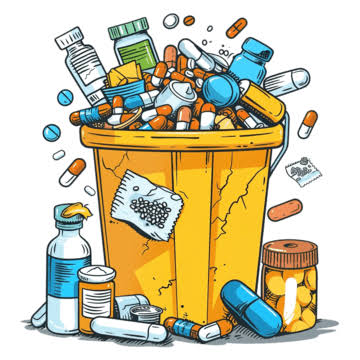
With the expansion of healthcare services, increasing population, and growing use of medical technology, the volume of medical waste has increased significantly across the world. India is no exception. According to the Central Pollution Control Board (CPCB), thousands of healthcare facilities across the country generate hundreds of tonnes of biomedical waste every day, making proper management essential for protecting public health and the environment.
This article explains what medical waste is, its sources, types, health risks, management methods, government regulations, challenges, and future solutions.
What is Medical Waste?
Medical waste refers to any waste generated during the diagnosis, treatment, immunization, or research activities related to humans or animals. It includes materials contaminated with blood, body fluids, microorganisms, chemicals, pharmaceuticals, and other hazardous substances.
Medical waste is often called biomedical waste because it originates from biological and healthcare-related activities. Proper handling of such waste is necessary because it may contain infectious agents capable of spreading diseases.
The Bio-Medical Waste Management Rules, 2016 define biomedical waste as waste generated during diagnosis, treatment, immunization, or research activities related to human beings or animals.
Major Sources of Medical Waste
Medical waste is generated from a variety of healthcare facilities, including:
Hospitals
Nursing homes
Clinics
Diagnostic laboratories
Blood banks
Dental clinics
Veterinary hospitals
Medical colleges
Research laboratories
Vaccination centers
Among all these sources, hospitals are the largest contributors because they perform surgeries, treatments, diagnostic procedures, and emergency care on a large scale.
Types of Medical Waste
Medical waste can be classified into several categories.
- Infectious Waste
This type of waste contains pathogens such as bacteria, viruses, fungi, and parasites that can cause infections.
Examples include:
Blood-soaked bandages
Used dressings
Cotton swabs
Laboratory cultures
Infectious body fluids - Pathological Waste
Pathological waste includes human tissues, organs, body parts, and biological materials removed during surgeries or medical procedures.
Examples include:
Human organs
Body tissues
Placenta
Surgical specimens - Sharps Waste
Sharps are items capable of cutting or puncturing the skin.
Examples include:
Needles
Syringes
Surgical blades
Scalpels
Broken glass
Sharps are particularly dangerous because they can transmit infections such as Hepatitis B, Hepatitis C, and HIV. - Pharmaceutical Waste
This category includes expired, unused, or contaminated medicines.
Examples include:
Antibiotics
Vaccines
Tablets
Syrups
Injectable drugs - Chemical Waste
Chemical waste originates from cleaning, disinfection, and laboratory activities.
Examples include:
Solvents
Disinfectants
Formaldehyde
Laboratory reagents - Radioactive Waste
Radioactive waste is generated during cancer treatment and nuclear medicine procedures.
Examples include:
Radioactive isotopes
Contaminated protective equipment - General Healthcare Waste
This waste is similar to domestic waste and is generally non-hazardous.
Examples include:
Food waste
Paper
Packaging material
Cardboard boxes
Why Medical Waste is Dangerous
Improper disposal of medical waste can have serious consequences.
Spread of Infectious Diseases
Infectious waste may contain harmful microorganisms capable of spreading diseases among healthcare workers, waste handlers, patients, and the public.
Diseases associated with improper medical waste handling include:
Hepatitis B
Hepatitis C
HIV/AIDS
Tuberculosis
Gastrointestinal infections
Needle Stick Injuries
Used needles and syringes pose a major risk to healthcare workers and waste collectors.
Accidental needle injuries may expose individuals to dangerous blood-borne infections.
Environmental Pollution
Improper disposal of medical waste can contaminate:
Soil
Groundwater
Surface water
Air
Burning untreated waste may release toxic gases and particulate matter into the atmosphere.
Impact on Animals
Animals feeding at open dumpsites may consume contaminated medical waste, leading to illness and further spread of pathogens.
Colour-Coded Segregation System
India follows a colour-coded waste segregation system under the Biomedical Waste Management Rules, 2016. Proper segregation is the first and most important step in biomedical waste management.
Yellow Category
Includes:
Human anatomical waste
Animal waste
Soiled waste
Expired medicines
Treatment methods:
Incineration
Deep burial
Red Category
Includes:
Plastic tubing
IV sets
Catheters
Gloves
Treatment methods:
Autoclaving
Recycling after treatment
White Category
Includes:
Needles
Syringes with fixed needles
Sharps
Treatment methods:
Sterilization
Shredding
Blue Category
Includes:
Glassware
Medicine bottles
Metallic implants
Treatment methods:
Disinfection
Recycling
Biomedical Waste Management Process
Proper management involves several stages.
Step 1: Segregation
Waste is separated at the point of generation.
Step 2: Collection
Waste is collected in designated containers according to colour coding.
Step 3: Storage
Waste is temporarily stored in secure locations.
Step 4: Transportation
Authorized vehicles transport waste to treatment facilities.
Step 5: Treatment
Treatment methods include:
Incineration
Autoclaving
Microwaving
Chemical disinfection
Step 6: Final Disposal
After treatment, waste is disposed of safely through approved methods.
Common Treatment Methods
Incineration
Incineration involves burning waste at high temperatures.
Advantages:
Reduces waste volume
Destroys pathogens
Disadvantages:
Air pollution if poorly managed
Autoclaving
Autoclaving uses steam under pressure to sterilize waste.
Advantages:
Environment-friendly
Effective against microorganisms
Microwaving
Microwave technology uses heat to destroy pathogens.
Advantages:
Reduced emissions
Effective sterilization
Chemical Disinfection
Chemicals are used to disinfect infectious waste.
Common chemicals include chlorine-based compounds.
Biomedical Waste Generation in India
India has experienced a significant increase in biomedical waste generation due to population growth, expansion of healthcare services, and increased diagnostic and treatment facilities.
The CPCB Annual Report on Biomedical Waste Management indicates that India generates hundreds of tonnes of biomedical waste daily through more than 3 lakh healthcare facilities. The country also operates numerous Common Bio-Medical Waste Treatment Facilities (CBWTFs) for safe treatment and disposal.
Major Indian Cities Known for High Biomedical Waste
Generation
The CPCB annual report provides state-wise data rather than an official national ranking of cities. However, based on healthcare infrastructure, hospital density, and state pollution control board reports, the following cities are among the largest generators of biomedical waste in India:
Delhi
Mumbai
Bengaluru
Chennai
Hyderabad
Kolkata
Pun
Ahmedabad
Gurgaon (Gurugram)
Lucknow
For example, Haryana State Pollution Control Board data reported that Gurugram alone generates approximately 7,627 kg of biomedical waste per day, accounting for nearly one-third of Haryana’s total biomedical waste generation.
Important Note: There is currently no official CPCB report that ranks the top 10 Indian cities by biomedical waste generation. The above list is based on healthcare concentration, waste-generation trends, and available government data rather than an official national city ranking.
Government Rules and Regulations
India regulates biomedical waste through the Biomedical Waste Management Rules, 2016.
Major provisions include:
Mandatory waste segregation
Authorization of healthcare facilities
Use of colour-coded containers
Regular reporting
Employee training
Barcoding and tracking systems
Environmental monitoring
The CPCB and State Pollution Control Boards are responsible for monitoring compliance.
Challenges in Medical Waste Management
Lack of Awareness
Many healthcare workers still require additional training in proper waste segregation.
Poor Segregation Practices
Mixing hazardous and non-hazardous waste increases treatment costs and risks.
Infrastructure Gaps
Some regions still lack adequate treatment facilities.
Illegal Dumping
Unauthorized disposal remains a challenge in certain areas.
Monitoring Difficulties
Regulatory agencies often face difficulties in tracking waste generation and disposal across thousands of healthcare facilities.
Impact of COVID-19
The COVID-19 pandemic dramatically increased biomedical waste generation.
Items such as:
Masks
PPE kits
Gloves
Testing materials
were generated in enormous quantities.
This surge highlighted the importance of efficient biomedical waste management systems and encouraged improvements in waste tracking and treatment infrastructure.
Future Solutions
Several strategies can improve biomedical waste management.
Digital Tracking
Barcoding and digital monitoring can improve accountability.
Staff Training
Regular training programs can improve segregation practices.
Expansion of Treatment Facilities
More treatment centers are needed in underserved regions.
Public Awareness
Educating communities can reduce risks associated with improper disposal.
Green Technologies
Environmentally friendly technologies can reduce pollution and improve sustainability.
Research and Innovation
Artificial intelligence, automation, and smart waste-sorting systems may improve future waste management practices.
Conclusion
Medical waste is an unavoidable by-product of modern healthcare services. While hospitals and healthcare facilities play a crucial role in saving lives, they also generate waste that can pose serious risks to public health and the environment if not managed properly. Infectious materials, sharps, pharmaceuticals, and chemicals require careful segregation, treatment, and disposal.
India has made significant progress through the Biomedical Waste Management Rules, 2016 and the development of Common Bio-Medical Waste Treatment Facilities. However, challenges such as inadequate infrastructure, poor segregation practices, and monitoring gaps still exist. Continued investment in technology, training, awareness, and regulatory enforcement will be essential for ensuring safe and sustainable biomedical waste management.
A well-managed biomedical waste system not only protects healthcare workers and patients but also contributes to a cleaner environment and a healthier future for society.